

I have this conversation at least once a week.
Someone who knows I’m a nutrition & wellness coach approaches me saying, “Is it just me, or are a lot more people becoming gluten intolerant? Is this just a fad, or is it really on the rise?”
Surely you’ve noticed it, too. More parents are experimenting with gluten-free diets for their families. More people announce they have a gluten-intolerance, despite not being tested by physicians or having a “real” diagnosis. And, when you read the words “gluten-free” in a recipe or on the packaging to baked goods, you think: “YAY. It’s healthy!!”
First, let’s be clear about what gluten intolerance is. It isn’t a food allergy. It’s a physical condition in your gut. Basically, undigested gluten proteins (prevalent in wheat and other grains) hang out in your intestines and are treated by your body like a foreign invader, irritating your gut and flattening the microvilli along the small intestine wall. Without those microvilli, you have considerably less surface area with which to absorb the nutrients from your food. This leads sufferers to experience symptoms of malabsorption, including chronic fatigue, neurological disorders, nutrient deficiencies, anemia, nausea, skin rashes, depression, and more.
If you remove gluten from the diet, the gut heals and the myriad of symptoms disappears. Depending on the level and degree of the intolerance (which can range anywhere from a gluten sensitivity to a full-blown celiac disease), it may be possible to eventually re-introduce properly prepared grains (sourdough that has fermented for up to a month, sprouted grains, etc) into the diet.
Others are not so lucky. Their guts may heal, but their bodies will never be able to digest gluten — even if it’s been “bent” by traditional preparation methods (see below). They have a genetic pre-disposition that causes gluten-sensitivity.
We all know a genetic-predisposition doesn’t mean that developing a disease is written in stone. Our environment & diet has a lot to say about how our genes are expressed. Chris Masterjohn lists the following theories as possible culprits which increase the likelihood of the pre-disposing genes “turning on”:
- Some people may possess as-yet unidentified genes that cause their immune system to think an undigested fragment of the gluten protein looks like a microbial invader.
- Some people who consume gluten may have dysbiosis — damaged gut flora — from antibiotic use or consuming foods that they cannot digest. Feeding infants grains before they are able to digest them may raise the risk of dysbiosis. In this scenario, the immune system may see the products of microbial invasion from the dysbiosis and the undigested gluten fragment at the same time and be tricked into thinking that the gluten fragment is the microbial invader.
- Low-nutrient diets may interfere with the body’s ability to suppress immune cells that are capable of attacking harmless proteins. For example, one of the chemicals the body uses to suppress these immune cells is TGF-beta,c which is upregulated by vitamin A.d A diet deficient in vitamin A, then, might undermine the body’s ability to keep its immune system from attacking harmless proteins like gluten.
I think the greatest weight should be given to his second suggestion, as damaged gut flora is on the rise in our society for a number of reasons. Sugar, alcohol, antibiotics, environmental toxins, and other allergens (like the introduction of GMOs into our food supply within the last 15 years) all contribute to imbalanced intestinal flora which can lead to gluten-intolerance. He continues by making the following suggestions which may help prevent developing a gluten-intolerance:
Waiting to introduce grains into a child’s diet until after infancy, raising children on nutrient-dense diets that include liberal amounts of fat-soluble vitamins (especially vitamin A), and keeping good care of intestinal flora may all help prevent celiac disease and non-celiac gluten intolerance in those who are genetically susceptible.
While not introducing grains to your child’s diet until after infancy & eating nutrient-dense foods are self-explanatory, you may want to know what it means to “keep good care of intestinal flora.” That requires eating more living foods, more fermented foods (like sauerkraut), and possibly taking a high-quality probiotic.
So, is gluten-intolerance on the rise? Or is it just a fad?
Marion Nestle, author of Food Politics and a nutrition and public policy expert, weighed in on the issue recently in this article in the San Francisco Chronicle.
Nestle points out that a real diagnosis is difficult and costly to procure. Here’s her take on the issue:
With diagnosis so difficult, it is not easy to estimate trends. Surveys suggest that 1 out of every 133 people in the general population is gluton intolerant. If so, in a school of 1,330 students, you might expect about 10 to require gluten-free diets.
If you are seeing an increase, it could be because parents whose kids have such symptoms may be experimenting with gluten-free diets. If their kids behave, learn and feel better on such diets, parents may conclude that their kids are gluten intolerant without bothering with invasive and expensive lab tests. But a more likely explanation for the increase is the recent improvement in diagnostic ability. Doctors are more aware of the problem and are testing for it.
I think that while this may account for some rise in the increased rates of people going gluten-free, she’s leaving out a key point: The rise in gluten-intolerance is astronomical.
Just a decade ago, gluten-intolerance levels were at 1 in 2500 worldwide. Today, it’s at 1 in 133.
According to research posted at the Weston A Price Foundation’s website, modern wheat varieties are wildly different than more traditional varieties. In short, modern wheat is simply not the same plant it used to be.
I believe that this, along with our recent and dramatic increases in improperly prepared grain consumption, is what has led to the rise in levels of gluten-intolerance. Gluten-free diets aren’t simply fads; they’re coping mechanisms.
If you still want to eat grain, there is hope.
In the past few years, researchers have learned that the primary culprit in celiac disease and gluten-intolerance is a particular peptide strand in the gluten molecule, not the gluten itself. It is theorized that this peptide strand wasn’t present in ancestral varieties of wheat. And, we’ve also learned that the long, slow ferments necessary for making traditional sourdough breads also severs the bonds of this particular peptide strand while leaving enough of the remaining gluten proteins in tact to achieve a pleasant rise (without gluten, your whole wheat bread couldn’t rise).
In other words, if you suffer from gluten intolerance, it is theoretically possible that AFTER your gut is healed, you could start eating bread again! You’d want to experiment with other, more ancestral grains, and you’d also want to make sure the bread had a long, LONG fermentation (up to a month!) before being baked.
That said, there are still many reasons to distrust or avoid grains.
I’ll go into that in greater detail in a later post, but if you’re a regular reader you know what I’ll highlight:
- The connection between grain & hormonal balance, particularly in relation to insulin spikes which can lead to weight gain, diabetes, heart disease, mood swings, and other nastiness.
- The historical place of grain in the human diet (hint: it’s relatively new and we’re not very good at digesting it.)
- The connection between grains & digestive disorders, including candida overgrowth.
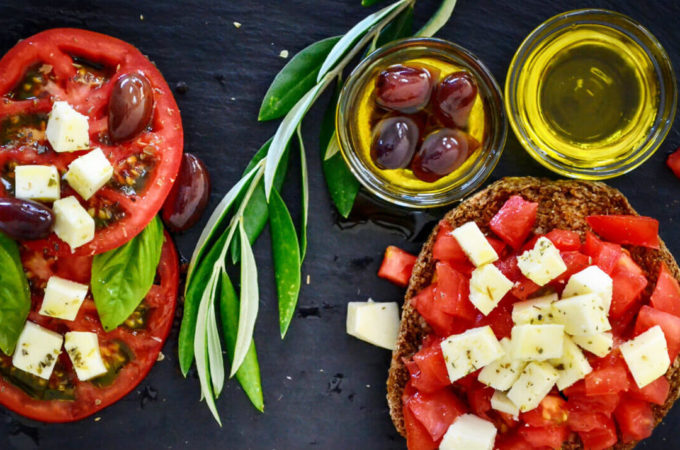
(photo by whatsername?)
 |














Great summary on this! You’re echoing what we’ve discovered in our family lately ~ gluten intolerances that are solved through proper food preparation ~ soaking and sprouting. But I am glad to hear those statistics that show the drastic rise in gluten intolerance.
A few years ago, when we went “gluten-free”, based on food allergy testing results, I was astounded to find how unhealthy most of the gluten-free food choices are. I mean the packaged ones that usually get rave reviews and many customers. Refined flours, sweeteners, etc. We rarely bought any of those and stuck with from scratch gluten-free cooking.
But, it is exciting that now I can bake with sprouted gluten-grains and no one has adverse symptoms.
I ran across an old, old, old variety of wheat when we began sprouting gluten grains. I hesitated to start with today’s wheat because of the reasons you stated, it being a far cry from the wheat of old. This old variety is called ’emmer’ or ‘faro’ and can be found at Blue Bird Grain Farms. According to them:
I like sprouting it, though the resulting baked goods are a little heavy. So I more often choose spelt for my sprouted baking grain of choice. The emmer is great for dense muffins and quick breads and cookies.
Thanks for the great analysis!
Wardeh @ GNOWFGLINS
Interesting read. I feel like GF is everywhere now. No matter what the reason (on the rise, trial and error, etc.), I’m just glad there are options and information out there for the GF folks.
Crystal (Cafe Cyan)
They forget that many people who are gluten intolerant have NA blood. All you need is 3% of native american blood and you’re screwed. To make it worse,they punish you for being intolerant by jacking the prices up on gluten free items. To bake or cook gluten free food,you need xanthan gum,which is a specialty item.
I’m 16 and can’t have anything with gluten in it. It’s wierd. One day you’re chowing down on cakes or perogies,the next,you’re standing in front of a (rather small) gluten free shelf in the grocery store wondering what happened…and you don’t have to go to a doctor to be diagnosed for it. Waste of money and time. If you don’t trust the gluten,play it safe and just stay away from it.
I eat anything with gluten,and it feels like a Chinese acupuncturist gone wrong in my stomach. It. Hurts.
I was diagnosed in 2005 with celiac disease and a gluten-free diet helped me heal from other associated problems including Grave’s Disease. After a long, long time working to heal my gut I’m able to tolerate some gluten-containing grains provided they’re properly prepared: true sourdough bread for instance. I still can’t tolerate wheat or rye in any form, but can handle spelt, kamut and barley without issue (provided it has been sprouted and soured). Test results don’t indicate any gliadin antibodies or other damage and I’m asymptomatic. I credit adopting a traditional diet – focused on healing the gut with enabling my body to overcome much of the issue.
Jenny @ Nourished Kitchen
If you have celiac disease you could NEVER tolerate the tiniest bit of gluten without it causing damage, so I don’t understand what you mean. With celiac the body will always see gluten as an invader.
One more thing you forgot to mention in regards to the popularity of gluten free diets: The astronomical numbers of children who are autistic (what’s that stat on that now, 1 in 180 or so?…I know at our house it’s running at about 75% of the population) and who are on the gluten free/casein free diet, or on another diet like the SCD or GAPS diet (it it gaps or caps? I cant remember). So there’s more folks avoiding gluten than those who may or may not be celiac.
I’d like to find out how to ferment bread for over a month before baking it?
Alana Sheldahl
Alana — Very true. GF/CF diets do seem to work wonders for healing our guts, so by extension they help heal many related problems as well (including many people on the autism spectrum). The GAPS diet is truly amazing for this. It stands for Gut And Psychology Syndrome, and the underlying theory is that gut issues (perceived or not) lead to neurological and psychological issues b/c of our inability to properly absorb nutrients. Heal the gut; heal the mind.
Jenny — What an amazing testimony! Thank you for sharing.
Crystal — I feel the same way, too.
Wardeh — Your experience mimics what I’ve heard from others as well. Good for you! And YAY for returning to traditional foods!
Jenny’s comment doesn’t make sense. It’s very dangerous for someone with celiac to consume gluten.
Hi,
I’ve made sourdough bread but not for a month. Where can I find such a recipe?
JC
I think your explanation for the rise in gluten intolerance is interesting, but really, have the wheat varieties changed so much in just one decade, that that would explain such a huge rise in gluten intolerance in just one decade? You also refer to “recent and dramatic increases in improperly prepared grain consumption,” but again, that hasn’t changed so much in just one decade. I don’t have any statistics, but I think most people have been eating yeast breads (not soaked or sourdough) for at least the last half century, haven’t they? There has to be another answer somewhere, although I certainly wouldn’t know.
In my case, I have one son (out of 9 kids) on a gluten-free diet, and it made a huge difference for his ADD. I also went on a GF diet when I started having more and more problems with explosive diarhhea. My problems instantly disappeared as soon as I started the diet, but I have since realized that my gluten intolerance gets worse during pregnancy, and slowly improves when I am not pregnant or nursing. Before I became pregnant this time (I’m 10-1/2 weeks now) I was finally back to eating all my normal foods again, without any problems at all, but now that I am pregnant, I am starting to have more and more problems with gas when I eat gluten, and I know now from experience that if I keep eating gluten anyway, the diarrhea will return.
The introduction of GMO grains into mainstream products only began in the past decade or two. I’ve met people who said they were able to tolerate grains just fine until a few years ago, and I’ve noticed this myself. There is also a connection to thyroid problems for some people, as covered in an excellent book (“Why do I still have thyroid symptoms”). Bad gut flora also loves high carbohydrate foods (such as grains), and they are also the food which is highest in glutamic acid (if not properly broken down in digestion, will mimic the effects of MSG).
I liked your response and it is amazingly true about GMO’s. Yet we have to fight for the right to know if we are even being served a GM product! As for glutamic acid….I didn’t know that fact about poor digestion and the MSG effect….thank you for that knowledge!
As of up to 2016 no GMO wheat is commercially available.
Really interesting Mark.
You mentioned that your symptoms of gluten intolerance worsened during pregnancy. I’m wondering if you might describe your symptoms?
Geraldine — As with most sensitivities, I believe a gluten-sensitivity develops over time. You’re exposed to something over and over and over again, and then one time it becomes the straw that breaks the camel’s back. And even then, you might not notice it for a while (years even) until your symptoms become dramatic. So, although the wheat varieties haven’t changed that much in just one decade, they’ve certainly changed that much in just the last thirty years. The same thing goes for improperly prepared grains. By this, I’m not just talking about not sprouting the grain or souring the dough. I’m talking about all the chemical crap that “treats” the flour, all the even weirder processing techniques which have been created to make the bread, you get the idea. Eating all the improperly prepared grains wreaks havoc on our digestive system, leaving lots of undigested gluten behind. With time, that wears on the gut, and eventually we experience an auto-immune response to the built up gluten. The incubation time for the sensitivity would vary greatly based on a lot of things, just like any other food sensitivity or intolerance.
JC — I’d love one, too! Perhaps you should ask Jack Bezian:
http://www.cheeseslave.com/2009/03/31/top-10-reasons-to-eat-real-sourdough-bread-even-if-youre-gluten-intolerant/
I don’t think grains are bad for you as long as they are properly prepared/fermented. Gluten intolerance was not an issue 100 years ago, and yet people ate plenty of grains back then. Of course, they were properly fermented.
In my 20s, I reversed my gluten intolerance, along with rheumatoid arthritis, chronic fatigue symptoms, chronic allergies and sinus infections, and a host of other symptoms. It took me 2 years but I did it with the help of (1) avoiding all wheat (2) avoiding all sugar – except honey (3) taking strong therapeutic-grade probiotics, as well as some other supplements including vitamin C and dessicated thymus and adrenal glands.
Years of eating improperly prepared grains and other allergens (soy and GMOs, for example) are to blame for widespread gluten intolerance, as well as antibiotics, sugar and HFCS.
I do think it’s possible to reverse gluten intolerance. It’s important to avoid all allergens for a period of time (I did muscle testing to find out what I was sensitive to), to avoid sugar and sweeteners (they feed the pathogenic bacteria) and you MUST take an adequate probiotic. Unfortunately most probiotics don’t work. I recommend Biokult. Lastly, it takes months to years to heal. But you can heal.
CHEESESLAVE
VSL3 also carries a fantastic high quality probiotic…..the best I’ve ever used, something like 450 billion! It’s well worth the price. I have suffered the effects of Crohn’s disease since my teen years and ended up with all sorts of health issues, but thankfully learned how to clean up my diet and gut and continue to live gluten free without the need for ANY medication or surgery, which is so typical for people with Crohns. All symptoms GONE!!
Geraldine –
One thing has changed in just one decade: the introduction of GMOs into our food supply.
CHEESESLAVE
Actually, genetically modified foods have been around for hundreds of years. Scientific studies have shown over and over that there is absolutely no harm in consuming these crops, but people tend to believe the most poorly sourced articles and panic.
Thanks for the great information. I’ve been wondering about the gluten-free thing since I became vegetarian and started shopping in more natural food stores and noticing all the gluten-free products. I thought maybe it was a weight-loss thing, like extreme Atkins!
Matt (No Meat Athlete)
Great article Kristen! I just finished reading Dangerous Grains and it sounds like you’ve read it to. It’s a great book for anyone who’s interested in learning more about the potential risks of gluten.
I agree that properly prepared grains will cause less trouble than the processed grains we eat today, but would this really have an affect on the peptide structures of the gluten molecule that our immune system reacts with? And since gluten sensitivity is still widely unrecognized, is it accurate to say that it wasn’t a problem 100 years ago? One thing that might make a difference is that we probably ate far less grain back then than we do today.
With grain only being a part of our diet for about 10,000 years, which is nothing in terms of evolution, my opinion is that it’s best to avoid it when in doubt.
Vin | NaturalBias.com
Cheeseslave — Thanks for sharing how you healed your gluten intolerance. I simply *love* that kind of story. And I also like how you pointed out that gluten intolerance also has a lot to do with the health of our gut. Sugar, alcohol, antibiotics, environmental toxins, and other allergens all contribute to imbalanced intestinal flora which can lead to gluten-intolerance. That’s an important part of the puzzle, and I completely omitted it. I’m going to go back and edit my post to make that more clear. (While it’s perfectly obvious to me, I realize it may not be to all my readers.) THANK YOU.
I agree that grains aren’t necessarily a bad thing, but a few things have changed recently that most people aren’t aware of. Grains went from being a small part of our diet to being a major part of our diet thanks to the U.S. government’s dietary advice. The USDA made the food pyramid, and BAM: In the year 2000, we ate approximately 2.5 ounces, or 280 calories, more processed grains per day than in 1970. The vast majority of that was in the form of processed wheat.
Historically, people only ate LOTS of grain when they were poor. Otherwise, grain was a MUCH smaller part of their diet than animals and vegetables.
I want to encourage my readers to do two things:
1) Only eat properly prepared grains (sprouted or soured with a long ferment), and
2) Examine how much grain they eat and try and reduce it
Matt — You’re welcome! 🙂
Vin — I actually *haven’t* read Dangerous Grains, although I should. We just keep giving book recommendations back and forth to each other, don’t we? I’ll be sure to check the book out.
Grains a small part of our diet? Grains accounted for 65%-70% of the human diet during the Middle Ages, even among the nobility.
Great article! I have cut wheat & soy out of my diet completely after doing an initial elimination diet and a number of health issues cleared up within a few weeks! At this point, I wouldn’t be tempted to eat either in any form! Sometimes I will try some gluten-free grains, but I am realizing that processed grains are still processed. For me, it’s best to keep them simple and as close to unprocessed as possible (i.e., not too many “gluten-free” packaging in my house!).
All of what I read above is true. I was never “diagnosed” with a wheat allergy or intolerance, but I was approached by a colon therapist who suggested I cut out wheat altogether, along with the other common culprits like corn and soy. Hesitant as I was, I did it because I was desperate and no one else had ever helped me or made this suggestion so outwardly. My life has been changed to such an extent since that moment, words cannot adequately express the significant change in my health. All my symptoms disappeared eventually and I’m only struggling with one of those symptoms now, and to a much milder proportion than previously experienced. I avoid grains most of the time because I think I have a sensitivity to carbohydrates that are grain-based. Most of what I eat is Ezekiel bread products, which are sprouted and I have no problem with. I simply don’t have time to make bread on a regular basis. There are many other things I make from scratch, however, this has been mine and my family’s saving grace.
My family doesn’t eat processed grains much either, although when my son goes to friends or my parent’s home he is often given these foods. There isn’t much I can do about that. I have fought with my family about it and I’m done trying to convince them I’m right. My father is especially contemptuous of my viewpoint and makes it difficult to properly feed my son when he visits his grandparents, so I’ve given up on that end. I just ask that he make sure my son eats vegetables when he is feeding him (which previously before he was not). Thanks for this article, Kristen. More people need to understand the seriousness of this issue and what causes gluten intolerance/allergy-like symptoms. It’s very misunderstood! I also wrote an article about this subject last month…http://agriculturesociety.wordpress.com/2009/05/04/the-big-gluten-free-lie/
Raine Saunders
Great job summarizing this important issue. One thing that was not mentioned however, is that the amount of gluten in modern bread products has increased enormously. In fact, the amount of gluten in wheat has gone from 3 percent to 14 percent in last 100 years or so. The amount of gluten is akin to total load when it comes to toxicity and has a strong bearing on how people react to it. Not only that, but it’s only within the last 30 years that wheat farmers have regularly applied round-up to wheat in order to brown it and get higher pay per bushel. As you keenly mention in your piece, all these toxins contribute to creating food sensitivities and intolerances.
My blog contains many simple gluten-free recipe: foodbykristin.wordpress.com
Thanks for your fine work!
Kristin Wartman
Dangerous Grains – thumbs up.
Not related to this article, just thought I would mention that your link to buttermilk pancakes doesn’t work. Keep up the good work!
Kristen,
This is interesting. I started reading food blogs a few years ago when I was testing a gluten free diet to see if it would help with a number of symptoms. That got me hooked on reading food blogs and to this day, although I’ve never tested positive for anything, I maintain a gluten free diet at home, and being gluten free has encouraged me to eat more fresh vegetables and fruits. I certainly have noticed a rise in gluten free products at both restaurants and stores.
ElizabethG
Sorry to be replying so late…
But this is a great article…I just wanted to mention something here as well…
Gluten Free diets are the preferred diet for those who suffer from Chronic Lyme disease and its co-infections…and it can completely mimic Celaic Disease…this happened to me…
After being gluten free for a couple of years I was able to go back – for a while – in moderation…
I am again at a point where I can tolerate very very very little gluten – maybe once a month..and now one of my kids has had to go GF too…we believe I passed my illnesses to all of our kids…
I have been encouraging many to go GF on our Lyme support forum – and many are doing so much better since going GF…
SO thanks for the info
Christine
Interesting that you bring up Chronic Lyme disease. I am seeing a LLMD (lyme literate doc) for the last six months, but was bit by a tick (with rash) eleven years ago. Over the last eleven years I’ve had joint pain, IBS and now panic attacks. I think I had a small amt of lyme all my life due to living in Connecticut when I was four. I started on antibiotics six months ago for the CLD and have since developed gluten intolerance. I don’t know if this is due to the ABX or a newly developed autoimmune symptom of CLD. I noticed that if I missed my probiotics (Florastor) for a couple of days, I would develop stomach aches. After doing that twice, the stomach aches didn’t go away and my doc suggested I cut out gluten and that did the trick. I also stopped having loose stools, the first time ever since having IBS five years ago. It is interesting about what Cheeseslave said about curing her symptoms, which seem to be CLD too. “(1) avoiding all wheat (2) avoiding all sugar – except honey (3) taking strong therapeutic-grade probiotics, as well as some other supplements including vitamin C and dessicated thymus and adrenal glands.” I’ve heard this over and over for the treatment of lyme. Hard to do, but worth a try.
Linda
My doc told me for a long time to go GF – that Lymies do MUCH better off it – and no refined sugars or processed foods….but gluten will add to pain and inflammation, exaggerated pain levels…and when Lyme gets in the guts – OMG – life can be utterly miserable…
Eating a cleaner diet – with the ancient grains – gives us such a better chance. And yes – one of the many keys to getting better with Lyme is supporting those adrenals. They are SO very important and so critical. That and B12 and B1 – to protect and repair the nerves too…whole food supplements are beneficial too…
Good luck with your diet
Wonderful post, thank you! A couple of questions:
1. I was told in a holistic lifestyle course that the frequency of eating gluten can contribute to developing gluten intolerance (ie not giving the immune system time to recover from each gluten-containing meal). What are your thoughts on this? I would love a reference if you have one.
2. I have heard a tale that lawyers with an interest in promoting wheat had a great deal to do with the development of the Food Pyramid. Do you know anything about this? Again a reference would be hugely appreciated.
3. Anyone have a recipe for Ezekiel bread? I would love to try it, it is always made with wheat? I am gluten intolerant, and not sure that sprouting the wheat will make this digestable in my case.
4. Paul Chek, http://www.chekinstitute.com says that he has never met anyone who is gluten intolerant who is not ALSO dairy intolerant, that the two go hand in hand. What are your thoughts on this? I seem to be able to tolerate small amounts of dairy, and if I could get Raw Dairy where I live (which I can’t….big thumbs down to government bodies who restrict it!) I think I would be fine.
Thanks again for a wonderful blog! Keep up the awesome work.
PS It would be great if you had a link to share your posts on Facebook!
Excellent summary but you left out the fact that a study of blood samples of military from the 1950’s actually show that from then to now has been an extreme rise in actual gluten sensitivity / celiac problems. People back then did not have as much of a problem. The logical conclusion is that the modifications to food processing and hybridization of wheat has increased the gluten content in our foods which is the source of the problem.
as far as raw dairy mentioned above. when the vili in the intestines heal the body can once more produce the enzymes to break down lactose. This means SOME people who are gluten intolerant will be able to digest diary products after about a year of being gluten free. BUT this is only for those people who do not have problems with casein. So experiment with caution.
While celiac disease is real and serious, many studies show gluten intolerance not even existing. It’s a self-diagnosed illness that is probably based far more on the placebo effect than any real science. It is however, a wonderful way for giant corporations to capitalize on hysteria, trendiness and people’s desire to think they have a “disease” that requires them to have special attention. However, just like vaccines causing autism, people will continue to reject science in favor of belief and make themselves vulnerable to scams.
I do pity people who have legitimate celiac disease, as they will be lumped in with the trendies.
There is NO scientific evidence that gluten harms the vast majority of the population, yet gluten free food has become a billion dollar industry for corporate America.
HI Kitten,
I’ve been tested for celiac disease and I do not have the gene. However, when I eat bread my stomach reliably swells by 3-4 inches, making me look pregnant and feel very uncomfortable. Then, of course, there is gas, which anyone in the room with me can promise you is not the figment of a trendy imagination. How can I be sure it’s the bread? 3 months on an elimination diet. So, there is my personal experience. Also, considering that gluten free foods are both much more expensive and taste so very crappy, I’d be surprised to learn that *all* other GF food eaters are simply victims of the hype.
Completely agree with you, Kitten!! Well stated, thank you.
Our family started on the wheat free diet early this year, because we realized that the eczema outbreaks once in a while are being caused by wheat allergies. Though not all of us are suffering from it, we’ve omitted wheat products from the kitchen, just to make sure that there is no contamination and cause complications for those who are suffering form the allergy. It was tough at first, since a lot of the food we eat contained wheat, but overtime we got used to it and are eating more healthily eversince.
Kitten, today a doctor from U of M diagnosed my daughter with gluten insensitivity, as well as lactose intolerance after 3 years of testing. She tests negative for Celiac disease. You have no idea how miserable this condition is and people like you don’t help.
I’m sorry but I have a big issue with the food industry changing their products to “gluten free”. My aunt went a “gluten free” diet to help with her gut but apparently it didn’t really help that much. A few months later I noticed she’d gained 15-20 pounds. I went with her to the doctor because we thought somehting was wrong (at the time we didn’t think about the gluten diet) and the doctor told us that “gluten free” products have larger amounts of calories than their gluten counterparts. And eating as much of a “gluten free” product as you would a gluten version can cause you to gain weight because in some products the carbs are even DOUBLED. People nowadays are on stupid health kicks with Splenda, fat-free and gluten free when in fact they are almost worse. My doctor says that there is absolutely no reason anyone should be eating “gluten free” food unless they’ve been instructed by their doctors for medical reasons. I have to be very careful about the products I buy for my family because I don’t want them to be exposed to excess carbs when they don’t have to be. We’re not gluten intollerant, so why should we be punished? Most of my childrens favorite foods have become “gluten free” and I cannot allow them to eat it because I don’t want them to be exposed to unhealthy products. The food industry is harming more than they are helping by changing to “gluten free”. P.S. Many people claim they’re better off “gluten free” but most of them haven’t discussed this with their doctors and because of that they’re fools.
I would like to share my recent experience with stomach problems and self diagnosis of being “gluten intolerant” and how it has changed my health and lifestyle. For many years I followed a healthy high fiber diet which included whole wheat bread, bagels, pasta, etc. For approximately 3 years I have been experiencing digestive problems which had become intolerable. The main symptoms were early morning breathtaking stomach pain or sometimes after eating burning and extreme stomach pain. Another symptom which had worsened was a sharp constant pain under my right breast bone. I have been to emergency room a number of times at which time they stabilized my condition. I had my gallbladder removed a couple of years ago, as I was told me it was diseased (no visible stones). Recently after seeing a general practitioner for my stomach problems she ran a some blood tests and found I had H. Pylori, I was given a 14 day treatment which included 2 antibiotics twice a day, Pepto-Bismol 2 four times a day and Prilosec once a day. I followed this treatment religiously and during the treatment had no symptoms and felt much better. About 2 days after the treatment finished the same symptoms started to reappear once again. I had read that gluten intolerance could cause the type of symptoms I was experienced and decided to cut out the wheat products and follow a gluten free diet and see what happens, just about immediately all the above symptoms disappeared and I feel great.
Gluten Free foods diet & you gained weight ? Well, that is a first ! Myself & others that went on the diet lost weight & fast ! When people go on this diet, I have not seen Big-Agra Manufacturers other then Blue Diamond foods with there Nut-Thin crackers. Many of the newer gluten free foods are created by someone in their family having problems…FACT. Anyone with any knowledge of Foods knows that Fructose & corn syrup is deadly & when eaten with any carb is trouble…!
Or too many potatoes with sour cream & butter is deadly for weight gain,,,so I question a Gluten Free as a weight gainer ! There must be something else going on .
A greater a wareness is what I think is happening. All though I have tested positive for Celiac some of my family members are not buying it even though they have symptoms, (love alcohol, panic attacks)
What about organic wheat? Does organic wheat and organic wheat products cause the same issues as GMO and conventional wheat?
Does anyone ever wonder WHY the grains are different now than they were as ancestral species? Genetically modified foods have infiltrated our diets at drastic levels and we aren’t even allowed to know about it! Why can’t we label them? Because then not only would we be able to choose whether or not we want to incorporate them into our diet but we would also be able to trace any adverse effects from them back to the source! Does anyone know how they are able to get foriegn DNA into a cell to genetically modify it in the first place? What do you suppose would be good at cell-invasion? Bacteria? Viruses? Lets not forget about the antibiotics that are also a part of the cross-breeding process. Go organic people. Educate yourselves and fight against the corporations that are using you as lab rats to monopolize food, bankrupt family farmers, and reep all the financial benefits.
Gluten intolerance isn’t an allergy, it’s a food intolerance. I have an actually wheat allergy. They are two totally different things.
Sandra, I wanted to share as well as my story is soooo similar to yours! For days after debilitating multiple ‘attacks’ of unbearable abdominal pains that typically occurred after I ate something (but not each time I ate) over these holidays, I have been reading up on possible causes as leaving an emergency room CAT scan visit with a prescription for intestinal ‘cramps’ for diarrhea and laxatives to ‘clean me out’ didn’t seem to be working. I too have followed the high fiber, whole grain breads/pastas/etc. type diet for years along with also eating right and exerscizing daily! I’m a health nut and just couldn’t understand why in the world I was having these problems which also included a couple of months worth of alternating constipation/diarrhea (and I’ve always been regular like clock work)! I went so far as to go get tested for celiacs (just to be sure after taking this to the emergency care facility that treated me). It was negative, so now, I have deduced it is definitely gluten intolerance as in simply cutting out the gluten over only the last 3 days, the pains are gone. I know there must be some damage that will need to mend ‘inside’ and I don’t feel 100% yet, but knowing putting the right things in will fix that is empowering and so ‘relieving’ as that stomach pain would stick around for hours each time it popped up (and bottom line when I eliminated gluten, it stopped as quickly as it popped up ‘and in looking back on the attacks, it would be with gluten filled foods!)…very frustrating for someone who is active and on the go! It makes perfect sense with all the GMO foods out there that this is popping up more and more in our society today not to mention living in THE WEST where we tend to consume so much more of it versus overseas (other than Europe). I will never cut financial corners again thinking “I can’t afford organic”….the work I’ve missed with these incidents has put me under so not making the wiser more expensive choice is costing me in the long run and is compromising my health! It’s nothing but organic and gluten free for me from now on! I also had another symptom that all of my friends and family found ‘odd’ but attributed to my age (43) and ‘intolerance to alcohol although I used to drink a 6 pack a night in my 20’s and sometimes 30’s’. Every time I drank even 1 or 2 max beers in a night, I was hungover and sickly for DAYS and it really got to where I would just feel sick right after drinking the beer! I kept trying it thinking it must just be in my mind, but in reading other peoples symptoms, how surprising to find this is a problem with others as well who suffer with gluten intolerance! I found that when I switched to a cape cod, I actually enjoyed the drink and wasn’t hungover the next day. GO FIGURE! GF FOR LIFE HERE!
Stay well PEEPS!
Divini
Is it possible that professional bakers (who work extensively with gluten based products) could develop intolerances more readily? I have been wondering if constant exposure increases one’s odds of devloping an intolerance.
I’ve long had a theory that the rise of gluten intolerance has come since the 1970’s in the UK with the total dominance of supermarket bread made by the Chorleywood method, ie, a method using additives and yeast enhancers. I think a similar thing is happening in the US, with bromides and additives and HFCS in the store breads. As previous people have noted, up until fairly recently very, very few people were celiacs, or had intolerances, and yet the populations ate wheat bread at nearly every meal.
Do gluten free people eat potatoes?
I have just been officially diagnosed as gluten intolerant, as well as a few other severe allergies that have likely been making me sick for years. I really like this blog and the info is very smart and savvy. Thanks so much! I’m a new fan!!
The problem with the article that I’d like to possibly see some follow up on is this quote, “With diagnosis so difficult, it is not easy to estimate trends.” I emphatically disagree. I think that diagnoses for gluten intolerance is VERY simple, and for a medical test, not very expensive. The key, is finding a care provider who knows about such testing and uses it. I go to a wonderful homeopathic doctor in Los Angeles (Dr. Michelle Gerber). I listed my symptoms and she immediately believed that I had some sort of food allergy problem. She then offered me three different options for allergy testing, ranging in price from under $100 to $300. All of the options test for gluten. Her first two office consults are $300 (many insurance companies cover her visits, if not it is a medical write-off on taxes) and then add on the cost of the test ($100-300). The test for diagnosis is not what most allergists use, which essentially tests just for histamines, this is a simple blood draw sent into a lab. The results are conclusive and clear. So, for under $500 out of pocket and much less if you have insurance that covers some of the costs, you know for certain if you are gluten intolerant. While, at least for me, $500 isn’t chump change, it’s FAR less than what most western modern medical facilities charge for, well, anything!
I found that the diagnosis was one of the simplest I’ve ever gotten with a process that was painless…it’s more about knowing WHERE to look for doctors who believe in the reality of this problem and know the routes to get you diagnosed and healed.
Ugh… I went on a GF/MF diet to manage my ADHD. I was a very weak one, almost fell over, after eating a whole box of brownies. It wasn’t the only time it happened, either. And you figure if I just didn’t eat the whole thing… Anyways… My ADHD went away… My chronic runny nose, constipation, (ever not poop for a whole month?) yeast infections… ALL went away… Any time I eat gluten-containing breads or milk, I now get stomach cramps or acid reflux. You’d think I’d be healthy, but my period stopped. O_O. I had 2 succesful menstrations on the diet… But its been gone for 3 months, now… This has never happened b4 in my whole life… I’m scared, and my mother is taking me to a doctor. I know ya probably think I’m a hyochondriac, or a jerk, ’cause I did it to manage ADHD, but… You can’t imagine your period dissapearing… A lot of kids with ADHD are prone to getting food intolerance. My brothers have plenty. My sister used to be allergic to milk! …And now, me… So don’t say kids with ADHD don’t beneifit. If I hadn’t changed my diet, I’d have never known. Still could be anything… Blood pressure was terrible… Indicates anemia and low blood sugar. Although, I would think the low blood sugar thing would be normal… I just won’t worry about it. -_- I’ll wait, and see what the doctor says… “So, why’d you wait so long 2 get tested?” Mom wouldn’t test me. Couldn’t afford the co-pays…
I have recently tested positive to Celiac disease. I Have started to maintain a gluten free diet and noticed big changes in my health. I was telephoned by nurses from my doctors surgery and told that I need to come in and have 3 immunisation done again because I have celiac disease has anyone else been told this.
I started the Weight Watcher’s diet about 3 weeks ago and have eliminated gluten from my diet. What I have observed is that after a life-time of acid indigestion so bad that I have a hiatal hernia now, my acid problem in my stomach is totally gone. The only thing I can attribute this to is that I am not eating any breads or processed foods. Hallejuah for Weight Watchers that it solved a problem I’ve had my entire life! I’m turning 60 in July 2012.
Just a couple things. 1st, Celiac Disease & Gluten Sensitivity are the same thing. Do a Wheat/Barley/Rye IgG (blood test) and they both will show up (neither will with a IgE)and they are both Systemic Diseases. 2nd, Gluten Sensitivity is a Allergy, just a Delayed Reaction. Lastly, Food Allergies are past on from Mother to Fetus. The only way to avoid this is to avoid Food Allergies before, during, and shortly after (unless your breast feeding)pregnancy. It’s also very very rare to have just 1 Food Allergy.
This is what I think: The reason for the sensitivity to grains all boils down to the way they are made. It has nothing to do with our bodies lacking this and that . It’s that the food is simply made for mass production therefore the important steps that are necessary for making a quality grain product, has been eliminated…… Resulting in thousands upon thousands of bodies that reject the stuff.
Of course the FDA isn’t going to raise the standard because with disease & illness = $MONEY$. It disgusts me!
I’ve been in the food business most of my working life. Yes, more and more customers are having gluten intolerance issues. Why is this? My belief is that the only change that could possibly have generated these astounding numbers is in the wheat itself. Namely, Genetically Modified, or GM wheat.
These wheat plants were introduced into North American agriculture without testing of any kind. I think the North American population in particular is showing what the tests, had they even been conducted, would have shown. Genetically Modified Wheat is unsafe for human consumption. The informed critics of GM crops at the time they were being introduced all said basically the same thing, which was, in brief, that allergic reactions might occur in a percentage of the population. Is this not what has happened? Why no testing? Because Monsanto and Cargill and others are in bed with the FDA. Period, end of sentence. End of post.
Where (outside of your opinion) is any data to back your statement that GMO’s have anything to do with Gluten intolerance?????!!!!?????
I have just experienced a definite gluten reaction. Having been reading about antinutrients in grains, although I have eten TONS of gluten throughout my life, albeit organic for the last ten years, I decided to cut gluten from my diet about six weeks ago. Yesterday I had a toasted, wheat sandwich for lunch and within about an hour I could barely keep my eyes open. A couple of hours after that I was getting muscle and joint soreness and thought I was coming down with something. Went to a friends for dinner and the soup I ate just sat in my stomach. An hour or so after that my stomach bloated like a rock and I got a bad headache. I also had sharp pains in my arms and legs. This morning I have diarrhoea. all classic gluten symptoms. So it seems your body just learns how to deal with it until you stop. I’m glad it happened because now I know for sure. Seriously though, this is a call for fresh, whole food, not just replacing one kind of packaged food with another (that says GF)!
Thatnks for this interesting article. As a mother of a son diagnosed with coeliac disease by biopsy, I feel both positive and negative things about what I see as a huge rise in gluten intolerance in the community.. On the positive, there are more gf options for my son, both in the supermarket and when eating out. On the negative, most purchased gf foods are really junky, loaded with sugar etc. etc. We do just as well baking treats at home. Another negative is with what I see a s a rise in’eating no gluten by choice’ people who have widely varying levels of gluten intolerance, it is harder sometimes to actually get across to people that my son actually has coeliac disease and that means he can eat NO gluten – for him it is not a lifestyle choice or a dietary experiment. I always say “my son has coeliac disease ” rather than he is gluten intolerant and then I get taken seriously.
As a woman having enormous symptoms in the last decade, I believe I won’t be here long if I don’t listen to my gut and stay a way from ALL grains. I began having chronic painful itchy ear aches in 2005. Doctors gave me antibiotics for three years. Never help, quit going back. What followed this is a down ward spiral of my health. Bloating/gassy abdomen, Teeth shifting, gums receding, red/itchy welts appears on my body, hair loss every six month for six months, palptations, strange rashes, excessive dry skin, low hormones, heavy cycles, terrible muscle cramps, low iron and vitamin D. I could go on and on….
Continued from about……. I was given a celiac blood test last year, negative. However, do to all my pains I have made the connection to grains. When I remove all grains, even the so called Gluten free ones. My symptoms begging to vanish in days. My belly does look five months pregnant.
Part 3- I knowing longer believe in Western medicine, due to how I have been treated. The last doctor recommended a book about a hypochondriac. Because in the end the guy found out he WAS dieting and didn’t have to worry about his health anyway. That doctor never took one look at me that day, just kept talking. I had another tell me I was depressed and offered pills. I walked out because I am a happy person worried about my health. If you want to truly learn about the effects of ALL grains go to the gluten free society.org. No spaces
This was a very interesting article. I have found a diet without gluten has me feeling significantly better. Not diagnosed by a doctor but if it works for me I am going to continue to eat gluten free.
I was discussing things in this article with a colleague and he mentioned that gluten content in industrial made products has increased greatly over the last century. This is because mechanized machines have taken over. They handle the dough and other products more roughly than human hands and the dough will tear easily if it has a low content of gluten. So higher gluten dough is prefered for mechanised systems.
Thus many of the products we eat these days have more gluten in them than they did many years ago.
I had no proof of this so I did a quick we search and came up with a hit that basically says the same thing.
http://apps.cimmyt.org/english/docs/proceedings/proc12rww.pdf
“Grain protein content affects milling and other industrial qualities of wheat. As a result, premiums
are commonly paid for protein levels above base line (Woolfolk et al., 2002).
Gluten is an important endosperm protein that affects pasta quality. It is a visco-elastic
component of wheat dough responsible for physical dough properties (C’uric et al., 2001).
Due to its strong relation with greater cooked firmness and increased tolerance to
overcooking, strong gluten varieties are preferred (Josephides et al., 1987).”
Anyone made the connection with the proliferation of vaccines and intestinal issues? It is widely known that contact with metal destroys good bacteria (that is why when you make kefir, you can’t use a metal strainer because it kills the bacteria you’re trying to culture). Vaccines contain heavy metal (mercury, or a substitute that was introduced after the outcry about mercury-laden vaccines). The UK has established a definite connnection between vaccines and autism, so I think vaccines should be added to the list of culprits that exacerbate gut problems.
What about Amish bread? Has anyone eaten it without adverse effects?
Blame it on all GMO products, the biggest of all evil.
What is it about people that think doctors are gods? They are not, they are scientists.
After a year of testing, everything was negative. Well, that is fantastic. How do I keep food in my body? At the ripe age of 45, I suddenly could not keep food down for a week at a time. Kitten, do you honestly think I just one day woke up and decided to slowly die?
I took the medical reports on the tests and I looked up every single thing. Everything pointed Celiac but the biopsy was negative. I went off of gluten and all of my symptoms disappeared.
My doctor did NOT suggest it. I had to figure it out myself. Why? There is no test. You only know if you go off of it. Many doctors will not diagnose unless they have a test to fall back on for lots of reasons.
Alan,
Did all your symptoms really disappear? The reason why I ask is because I thought the same the. My symptoms would improve with the removal of grains but than I was noticing a reaction to anything with any form of sugar. This is so frustrating. Could this really be Candida if tests come back negative?
Your article is written under the premise that there exists medical testing for gluten intolerances. I thought there is still officially no viable testing done for gluten intolerance, only a blood test for celiacs disease? So says my doctors and endocrinologist and just about every source I’ve looked at on the web. If you can tell me what tests I need to do other than an elimination diet please do tell!
I was told the same thing: there is no test for non-coeliac gluten intolerance. I was told “if eliminating gluten makes your symptoms disappear then you’ve diagnosed yourself. Keep avoiding gluten.”
I had my doctor test me for celiac due to cronic constipation and gas that at times will quickly change to diarrhea preceded by severe cramping, along with cronic cancer sores and hypothyroidism. The blood tests came out negative. I did not pursue biopsy due to cost. I also had allergy testing done that ruled out wheat allergies. My doctor advised me to try a gluten elimination diet if my problems persist since there is no other test of gluten intollerance. I haven’t done it yet. I’m a worried about 2 things. 1) that I will feel better off gluten and then have the difficulty of eliminating gluten from my diet. But then not realize it wasn’t eliminating the gluten making me feel better, but actually just the food that I am replacing gluten with that is helping. 2) that I will eliminate gluten and not feel better. Then I would assume gluten is not the problem when it is entirely possible that I’m not feeling better because I could have multiple food intollerances.
Gluten intolerance isn’t only gut related. I was plagued with migraines for over 20 years, unexplained aches, nerve pain, fatigue, lack of concentration, depression etc. and I didn’t know that I was being poisoned by gluten. These symptoms were just as life-destroying as the gut symptoms of coeliacs. Has a coeliac ever had a migraine for a month and wanted to die because of it? Gluten damages nerves, it’s a nerve toxin used by the plant to protect itself from mammals. It’s not that some people are intolerant of gluten, it’s that most people have enough of a tolerance to the toxin. You often hear how people become more sensitive to it once they stop eating it for a few weeks. This is because their built-up tolerance decreases.
Hi, this post looks pretty old (almost 6 years ago?). But I was wondering, do you have any information on eating gluten while pregnant with a gluten intolerance?
Yes, I was tested and diagnosed. I had a lot of issues as a child with mood swings and we think it was due to the lack of nutrition I was getting. But back then, the gluten intolerance was not really something people were looking for because the reactions are not sever until they are over a long period of time. I was finally diagnosed when I was 19 and my symptoms had changed and led me to go to the doctor. I found out through that test that not only was my gluten intolerance of the charts (without being celiacs, thankfully), but I also was intolerant to casein, a protein found in milk. NOT Lactose. Anyway, I just thought I would share my story incase anyone came across it looking for answers. Love your blog!
I don’t mean I’m “pregnant with a gluten intolerance,” but I’m with a gluten intolerance and pregnant with a baby. Haha!
There’s also a growing consensus that another portion of the population does have a nonceliac gluten sensitivity . That means they test negative for celiac disease but have some si 00000C98 milar symptoms — like diarrhea, abdominal pain and headaches — after eating foods with gluten.
I remember seeing the 4 to 5-foot amber waves of grain waving in the wind. Modern wheat differs from its origins as the result of intense cross-breeding (hybridization) programs. “The crops are neither physically nor genetically like its old self.” Modern wheat (grown in 99 percent of the world’s wheat fields) is dubbed “dwarf wheat”.” Modern wheat exceeds the 1960’s content by 17 times. I ate wheat, barely & rye for over half- a-century before the 2008 variation hit the grocery shelves. Modern wheat is an assault on the health of many thousands of people. Celiac enteritis, celiac encephalopathy, celiac steatorrhea, gluten-sensitive enteropathy, celiac related dermatitis hepetiformis, and gluten ataxia are a few of the modern wheat era diseases captured by the W.H.O. Most of the above disease listing are NEW disease occurrences that have been added to the disease reporting statistics. An estimated 1% of the world population has celiac disease alone. Keep in mind, that for many persons, it takes up to 14 years from the start of symptomology to receive a confirmed diagnosis. Physicians now consider “modern wheat” an exacerbating factor in the following diseases: fibromyalgia, irritable bowel syndrome, dementia, rheumatoid arthritis and diabetes mellites. Think back for a moment. When did your first heart of the term gluten? When did you first hear the news media attack on gluten? When did you first hear comedian jokes and advertisements poking fun at persons who did not consume gluten?
At least part of my intolerences started with a dose of very strong antibiotics. Ciproflaxin. I immediately became very sick, felt not like myself, felt disconnected and suicidal. My stomach was swollen, I kept noticing my belly button looked strange – I know now it’s because my whole gut was swollen. My skin had a yellow/orange tinge (no idea why but it did within a week of taking that drug). It was HORRIBLE and I didn’t know if I would make it through. People have killed themselves after taking that stuff due to the awful awful weird stuff it does to your body. Well then I started not being able to eat more and more and more things and now I’m SLOWLY healing. When I cut out gluten things got much better but I’m still struggling and malnourished. But of course if I die there will be no indication a doctor killed me. Maybe antibiotics and pollution are killing our guts.
Why do only middle-class, American white women experience gluten intolerance? (All self-diagnosed, no diagnostic testing is done on any of them.). Is there a correlation between race and class with those who suffer? None of my African American, latino, Pacific Islander, European friends have ever heard of such thing. Also, I do notice another attribute in those people who proclaim to be GF–New Age Religious followers or just plain crazy. Do you have any explanation for this?.
Hi Renegade –
Several years ago I met a man from Japan who exports wheat from here to Japan. Why? Because wheat growers in this country developed a new strain of wheat that has more gluten than what had been the standard strain. This was ‘good’ because it made the wheat easier to work with in the baking process – more gluten, more ease. But it was NOT ‘good’ for all the people who discovered they were suddenly allergic to wheat. This explains very well why we all have this problem with wheat and no doubt soon enough the Japanese will have the same problem. Further, there’s no way to fix it because the new strains have mixed with the old thanks to the wind etc that contaminates the older strains. So the old grains will soon no longer exist.
Kristen is spot on. About two years ago I suddenly started getting intense pain in my upper stomach after eating. At first I thought it was heavy fats and then pancreatitis. It was particularly bad after things like burgers, fried breakfasts pizzas etc. It took over a year of mucking around with my diet to realise it was bread, toast and pizza doe. Funnily things like poppadoms, pitta breads etc never caused me a problem which threw me. Stopped eating bread and symptoms disappeared within two weeks. Switched to sourdough and everything’s fine 🙂 I’m 55 and never had a food problem before
Thank you for all the useful information. Looking forward to the continuation. Can you please let me know when you post the rest? Looking to hear more about:
The connection between grain & hormonal balance, particularly in relation to insulin spikes which can lead to weight gain, diabetes, heart disease, mood swings, and other nastiness.
The historical place of grain in the human diet (hint: it’s relatively new and we’re not very good at digesting it.)
The connection between grains & digestive disorders, including candida overgrowth.
Thank you!
How do you do one month fermented sourdough?
Do you address the problem of glyphosate being sprayed multiple time per season on a grain field/ crop? I am very intolerant to even drive by a freshly sprayed field. It causes me depression and fatigue as I bike past. Also weed control on the lawns.
I’m very curious, because I don’t remember gluten intolerance being a problem when I was young. These type of illnesses are scrutinized, explained and treated without, it seems, the mention of the poisonous affects of herbicides, pesticides and chemicals dumped on the soils. How can we believe these facts without seeing the science in complete investigation? At least you did mention the gut microbiome.