
Making your own condiments is an easy way to eat healthy fats, increase your enzyme intake, and reduce costs. Why pay $4 for a salad dressing you can make for less than $1?
A key base of many creamy salad dressings (and yummy grilled cheese sandwiches!) is mayonnaise. I tried the recipe in Nourishing Traditions (a FoodRenegade Must Read), but couldn’t handle the over powering olive oil taste. So, here’s what I whip up for my family.
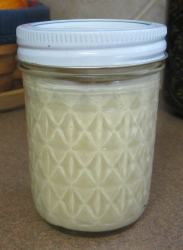
Homemade Mayonnaise
Enzyme-Rich Mayonnaise
2 eggs (from pastured hens) at room temperature
1 tsp sucanat (optional)
1 tsp raw, unpastuerized apple cider vinegar
1/2 C cold-pressed, uv-protected olive oil (where to buy REAL olive oil)
1/2 C warm coconut oil
1 tsp whey
salt & paprika to taste
Put 1 egg and the yolk of the other in your blender, along with sucanat, cider vinegar, & whey. Whirl around for 30 seconds or until nice and frothy. Slowly add in olive oil, followed by coconut oil. Add salt and paprika to taste. Transfer to a small, pint sized jar and close the lid tightly. Leave on your counter for 7-12 hours then transfer to the refrigerator.
So, what makes this mayo so good for you in addition to being so pleasant to your taste buds?
First, it’s made with real oil rather than the rancid and deodorized soybean or canola oils commonly found in most store-bought mayos. Second, it’s made with enzyme-rich vinegar and whey, both of which will aid your digestion and decrease your pancreatic load, thereby reducing your risk for diabetes, heart disease, and cancer.
After whipping up this batch, we had tuna melts for lunch.
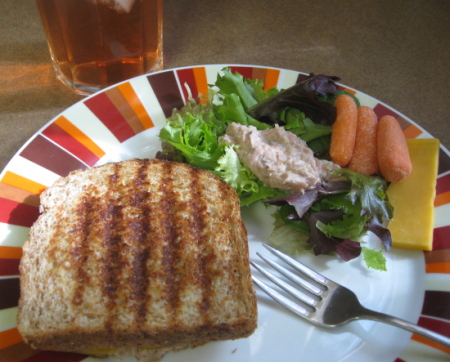
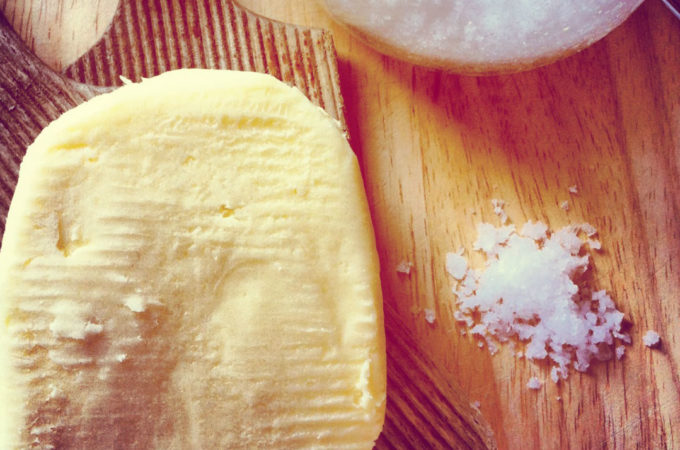
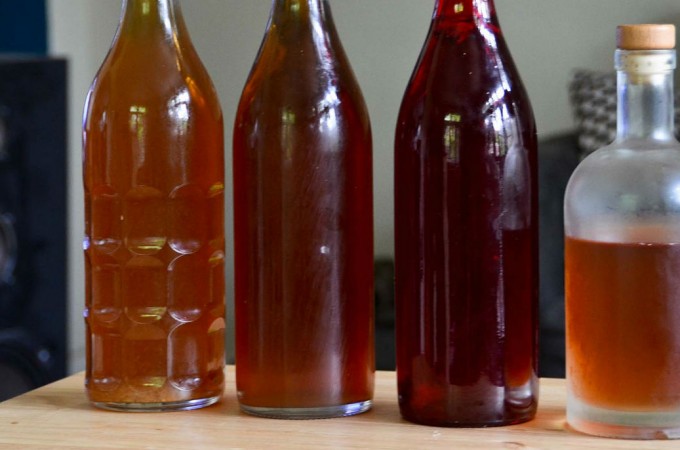
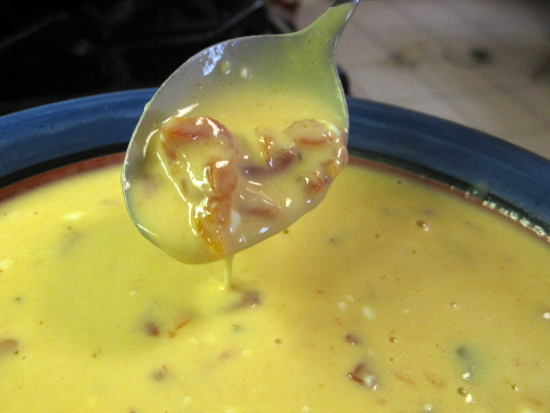
Classic tuna melt made with enzyme-rich mayo, raw cheddar cheese, lacto-fermented pickle relish, and sprouted whole grain bread. Finished off with a glass of kombucha.
 |






I’ve been buying the olive oil mayo thinking it was fairly good for us, but after reading this post I realized it’s mostly just soybean & canola oil. So, what’s this about the oils being rancid? I’ve always cooked with canola oil b/c I thought it was the best heart healthy oil out there.
Becky,
A good intro to fats can be found here.
More to the point of your question, though, modern vegetable oils are made via high-temperature extraction processes. The temps are so high that the oils go rancid in the course of making them. Oil manufacturers are then forced to “deodorize” the oil to make it not smell so bad before they put it on the shelves. I know it sounds unbelievable, but it’s actually common knowledge. That’s why really quality oils are quick to point out that they’re “cold-pressed” or “expellar-pressed” on their labels.
So, try making Real Mayo and let us know how it turns out!
Cheers,
KristenM
I’ve been making a weekly or twice weekly batch on homemade mayonnaise for quite a while, though I don’t ferment it a la NT like you do. It takes only about 5 minutes and after a few batches it’s easy to do from memory. I don’t think I could go back to commercial mayonnaise now, between the nasty oils and all the stabilizer ingredients, not to mention homemade being MUCH cheaper and fresher.
Same goes for salad dressings. It’s been few years since I have bought any. Years ago you could have found a half dozen bottles taking up space in my fridge door bins, but not any more. Salad dressings are so cheap and easy to make, and my son thinks the Ranch dressing I make is far tastier than the bottle stuff, and he’s right. My husband likes my Caesar dressing best.
And to those who say that making all this stuff takes too much time, think about how much time one spends in the store shopping, especially if reading labels and trying to compare one brand to another to choose the healthier one (when often neither is very healthy). I can breeze through a store because most of our produce comes from a bi-weekly box direct from a local farm, with only a few extras needed from a store to round things out; my freezer is stocked with pork and bison from ranchers, and I’ve greatly reduced the amount of packaged stuff I need. I mostly just need a few ingredients, basic whole foods or traditional components with minimal processing, like our grass-fed raw milk, butter, nuts, olive oil, some whole groats, some fish, etc. I cook with the seasons (living in mild So Cal this is admittedly easier than in cold winter places) so I don’t use much canned stuff anymore either except some wild caught salmon and sometimes tomatoes. Like you, I make my own broth and I render pork fat for lard. Even the cats eat real food, a ground raw chicken recipe I prepare that stopped my older cat’s chronic renal failure three years ago and kept him going a lot longer than his prognosis.
Glad to find your blog – we share a number of the same habits and views.
Do you have a recipe for the homemade Ranch?? My family uses this a lot!!Thanks!
I like adding the whey and letting it ferment because it helps the consistency firm up a bit (as does the coconut oil).
And WOW I wish I fed my pets real food. I’ve thought a lot about it, but never took the steps necessary to do it. We do at least make sure that meat is the #1 ingredient (surprisingly hard to find these days).
What form of whey please?
Powdered is easiest for me to get hold of.
Thank you,
mgw
Please see my reply to Linda H. below.
Thanks!
Where do you find the whey?
Ok I’ve been reading about making mayo for a long time. It looks ridiculously easy. I’m going to give it a try using that recipe. I’d like to make some deviled eggs, but don’t want to buy crappy mayonaise. Trader Joe’s does have some real mayo, but I think it’s fairly pricey, and of course will go bad before you could possibly eat it all.
Do you buy some jelly jars to store stuff in?
TrailGrrl
I use pint sized canning jars. I don’t “can” with them, but I use them for all sorts of other stuff — mostly storing spices and homemade mayo. You could use an old jelly jar so long as the lid was still good & tight and it was thoroughly cleaned & sanitized.
Your recipe sounds delicious, but I’m concerned about raw eggs and salmonella. Any thoughts on this?
The simple answer is this: I’m not at all concerned about salmonella because I know where my eggs come from. I know the people who raise the chickens, know what they feed their chickens, and know what kind of environment the chickens are in. Salmonella is really only a risk in industrialized egg production where large flocks are kept in cramped, unsanitary quarters.
PLUS, the addition of whey and leaving it on the counter promotes lactic-acid fermentation in the mayonnaise. This acidic environment will be totally inhospitable to salmonella, further reducing whatever minor risk there was in the first place.
Does anyone know how long this will keep? Right now our family consists of my husband and I and I’d hate for lots of it to go to waste. Perhaps I’ll cut the recipie in half.
This keeps for at least a month in the refrigerator. One of the great things about lacto-fermented foods is that they’re pretty much fail-proof when it comes to spoilage. When they go bad, they smell so repulsive you would never want to eat them. So, as long as it still smells like delicious mayonnaise, it’s perfectly edible. The recipe only makes 2 cups, and my family has no problem going through that much mayo in the course of a month. (Yours may be different.)
Cheers,
KristenM
How do you get 2 cups from 1 cup of oil?
I whipped and whipped still could not increase the volume
Thank you!!!
I’ve been wanting to make my own mayonaise. Your addition of coconut oil sounds very very good. Do you actually melt the coconut oil?
Hi Julie — In the winter, you’ll have to warm up the coconut oil until it is liquid. It is solid at 76F and below, so you only need to heat it up to 77F for it to to be liquid. You must use it in its liquid form to get the right emulsion on the mayo.
Do any of you still have the cat food recipe? I just started reading these blogs and have incorporating raw milk and more organics in my diet for about 2 months now. I love to cook and eat so my goal is to prepare yummy meals with nutritional foods. My children are grown so I have the time to plan ahead and prepare the foods. Another goal is to stay out of the store as much as possible. I live in Ohio so I have been buying organic veges that are in season from the store. I have signed up for a community farm for the growing season this year and I am hoping to preserve some of whatever I have left to eat for the winter months. I an not a big sweets person so I drink my Kefir plain and have made my own mayo. I have made butter milk, sour cream, yogurt etc with my raw milk. I buy my meat and eggs from a local grass feed organic farmer. I have been surprised at how easy it is to be a locavore even in Ohio. My meal last night was fennel pork chop with braised fresh fennel, fresh spinach and fermented kraut. Fresh fruit for dessert and a glass of red wine.
Your mayonnaise recipe looks great. I have a question regarding adding whey. Are you buying liquid whey or using a whey protein powder? I’ve certainly made smoothies using my whey protein isolate powder, but am not sure if that is what you mean.
Thanks!
Linda
Linda H. — This is definitely liquid whey, usually drained off of yogurt in the process of making yogurt cheese (or Greek yogurt). It’s full of healthy, probiotic living enzymes and lactic acid producing bacteria. These, in turn, help mildly ferment the mayonnaise so that it’s more nutrient-dense and slightly more firm.
Where do you get your whey? I’m so interested in making my own fermented foods but the biggest challenge is finding the ingredients. Help! 🙂
Since it’s only a teaspoon I can easily get this amount off of what sits on the top of my store bought greek yogurt container after a couple of days or hours even. No straining required.
Whey: you can easily get it from any raw milk, raw goat milk, yogurt products, etc. If you buy a 1/2 gallon of raw milk and don’t shake it but let it sit still overnight in the fridge, a watery yellowish material separates from the rest of the milk. You can collect some of it into a clean sterilized (to keep any other bacteria out of it) jar and put it in the fridge for future use. This can be collected from any other raw milk products.
I make my own sauerkraut just using brine. Or buy Bubbies. Right now I have some leftover Bubbie’s kraut juice in the refrigerator. So…can I just use the same amount of this instead of whey, and leave out the salt?
Thanks for your input. I have bookmarked so many of your recipes to try soon. 🙂
I don’t have my own supply of whey. Any idea where I can get some?
.-= Marg
Marg — You can get whey by draining the liquid off of yogurt. Simply strain the yogurt through cheese cloth or a clean dish towel. Suspend the cloth tightly over a large bowl using a rubber band, and pour your yogurt in. When it stops dripping. Remove the rubber band, pull the corners of the cloth together & twist, and string up the cloth over the bowl. Leave it like that anywhere from a couple of hours to overnight (depending on the weave of your cloth) or until it stops dripping. You’ll be left with a Greek yogurt “cheese” inside the cloth and a bowlful of whey. You can refrigerate your whey for quite a while. It usually lasts anywhere from 6 weeks to 6 months before it starts to taste “off.” Of course, the longer it sits, the less alive it is, so take that into account too.
Can I use any Greek plain yogurt from the store? – disregard question above as to where to get the whey 🙂
i just made this, but it hasn’t turned into a solid dressing.
its separated currently even after left set out for the allotted time and then refrigerated.
what did i do wrong?
Kristen, please help! Like claire, I also followed your recipe and after all was said and done, after many hours of sitting on the top of the fridge, the oil separated from the rest of the ingredients and now I have a jar with a yellowey bottom half that looks like an emulsified egg yolk / coconut oil, and then the top half of the jar is olive oil and whatnots.
My whey came from the straining of real cultured raw-milk (or yogurt), my oilve oil is the super expensive cold pressed variety, and the only thing that isn’t exactly as you said is the apple cider vinegar which is only the regular kind. Oh, and I forgot to let my eggs warm up to room temperature.
What did I do wrong?
Hoping you can focus my attention on whatever error is messing me up.
Thanks!
Sounds to me like the biggest problem was not letting the eggs warm up. It’s really important for all ingredients to be the same temperature — particularly the egg yolks. Otherwise your emulsion WILL break.
Hi, me again. Ok so I found this on Kelly the kitchen cop’s site, Homemade Mayonnaise Recipe That Tastes Great – FINALLY! and one of the comments by CHEESESLAVE (06.19.09 at 12:17 pm) tells me what to do if anyone (who, me?) made the boneheaded mistake of not warming the egg yolks before beginning. Here’s what she said:
There are 3 things that will prevent your mayonnaise from emulsifying: (1) Adding too much oil and not enough egg yolk (2) Adding the oil too fast (3) Cold ingredients, specifically the egg yolks.
It is a little easier to make mayo with a blender or food processor but you can use a whisk — you just need consistent (not necessarily fast, just constant motion) whisking and you need to add the oil very slowly. You also need to make sure your ingredients are not cold.
Here is what to do when your mayonnaise does not emulsify — you can save the batch. This works every time:
1. In a mixing bowl, add one egg yolk and whisk for a couple minutes. It is important that the egg yolk be ROOM TEMPERATURE. If it is cold, you will need to beat it longer. Easier just to use a room temp egg yolk.
2. Whisking continuously, add your broken batch of mayo one tablespoon at a time.
Ok so,
I’ll give it a try and maybe I can save the batch — pray for me!! :-O
Ok I’m really frustrated now. I have an oily yellow liquid that looks like eggnog, but has a the strong repugnant smell of olive oil. It is definitely not mayonnaise.
Was this your attempt at rescuing your mayo, or your attempt at doing from scratch the right way? I hear it’s much harder to rescue a batch than it is to make a good one.
I am a chef and want to help out. although the temperature. of the eggs may have some effect Really your problem is most likely due to adding. too much oil. and /or too quickly. I prepare mayo using only the yolks . 3yolks will make an easy litre. to save your mayo follow the method above although you do not need to whisk like a madman. add a small amount of mustard to stabilise. if you notice it getting too thick too early add a tbl of hot. water. this will also whiten your mayo. only ever use between 25-40.%olive oil, less if its extra virgin. if no vinegar use any citrus. lemon is awesome but any. adding a tbl of raw crushed. garlic helps your mayo to last longer and taste even better. do yourself a favour and make your mayo by hand. I can honestly make a litre of mayo in under 2mins and after I only have 1bowl and a whisk to wash.
I have never tried adding whey although I make labneh all the time so I will try a fermented mayo next.
finally. 1 more idea. I smoke entire heads of garlic till they are dark and sticky and pound then and add to mayo. This makes an awesome unique mayo that goes Really well with beets, lamb, steak!
hope I have helped;-)
I love your idea about the mayo and the garlic. Do you have your own web page with recipes?
A few tips from a guy who has made a plethora of mayo mistakes:
1) As noted by Kristen, all ingredients need to be at ROOM TEMPERATURE. Either leave everything out for an hour or more before using, or heat the whole eggs gently in a warm water bath (~100F) for 10+ minutes.
2) This is NOT a good way to use an expensive extra-virgin olive oil. I’ve learned firsthand that it develops unpleasant bitterness after vigorous whisking. A few cookbooks have noted this issue in an offhand way — the theory seems to be that the “shear force” needed to break the egg yolks up into an emulsion base also damages the subtle esters (or whatever) that give olive oil its distinctive taste. (EVOO can be carefully whisked into the emulsion by hand at the *end* of the process without producing bitterness. Don’t start with it, though.)
3) Grapeseed oil is my absolute favorite for mayonnaise — I use a brand from Israel, or Spectrum. Second best is canola oil (yes it’s not as healthy, but from a culinary standpoint the neutrality of flavor and liquidous consistency is ideal), or neutral peanut oil. Or perhaps those “light” olive oils in the grocery store I’ve never tried. Unfiltered peanut oil or untoasted sesame oil (Middle Eastern-style) work fairly well, but add their own intrusive overtones of flavor. Cold-pressed coconut oil has NOT worked very well for me because of its flavor, its consistency, and also because it stiffens into a brick when stored in the refrigerator.
3a) One idea I’ve seen mentioned is to use melted lard, or schmaltz from pastured chickens, or strained bacon fat as the fat component — the only problem being that you need to have at least 1 cup of it, and it has to be warmed sufficiently to be quite liquid in texture. Actually this sounds like it would make a KILLER mayonnaise, especially if using chicken or duck fat. A mix of peanut oil and bacon fat also sounds fantastic.
4) A little bit of plain water added to the egg yolks at the beginning (perhaps 1.5 tsp per yolk) helps give a firmer final result. The influential article “A Mayo Clinic” in the LA Times starts with 2 egg yolks, 1 Tb white wine vinegar, 1 Tb H2O, and a generous pinch of salt and pepper, followed by 1 cup of oil incorporated using an immersion blender.
4a) The cautions about adding the oil drop-by-drop at the beginning are overblown. This is more of a historical issue, from when cooks made it by hand motion alone. The most important part is to thoroughly blend the initial base of egg yolks+liquid before adding oil.
5) A thick mayonnaise is usually around 80% oil (by volume) suspended in 20% emulsifiers and liquid. I made many batches of runny mayonnaise before I realized I was holding back on the oil in fear of ruining the emulsion. It seemed counter-intuitive that more oil would produce a firmer sauce; but apparently the skien of the yolks+liquid needs to be “stretched” around a sufficient quantity of oil before it can stiffen.
5a) According to kitchen lore, lemon juice should be added at the end for flavoring as it impedes the proper creation of a thick emulsion when added at the beginning.
Hope that helps. On a final note, see if your local supermarket carries Ojai Lemonaise, and use that as a benchmark for how a great mayonnaise should taste. Or just buy it and spare yourself the effort at home. 🙂
OMG Mason, you have caught my attention! LARD!! I have beautiful lard I recently rendered, I have way more than I need. I don’t have schmaltz. I also have about 1/2 cup duck fat. Please, send me your ideas ASAP I want to make some NOW! I here looking for other recipies for mayo, I don’t like the mustard flavor so much. I think I might dive in and get my lard melting.
Great tips! I agree that the temperature of ingredients is key. I use just-gathered eggs that have never been refrigerated, and I wash them in warm water just before using, which also helps the temperature.
I’ve also been experimenting with a mixture of oils. I’ve used untoasted sesame, macadamia, EVOO (not good, but CHEESESLAVE says if you get a mild late-harvest variety, it doesn’t have the strong olivey taste), grapeseed oil balanced with flax seed oil (for better Omega 6/3 ratio), and melted coconut oil. But use the expeller-pressed oil not the so-called “virgin” oil and you won’t get coconutty taste. It also doesn’t harden if you use coconut oil in a blend with other oils instead of as the sole oil. I agree the little bit of water also seems to help. I use a stick blender and it is fantastic, quick and easy. I agree the “drop by drop” meme is a little outdated if you have sufficiently warmed ingredients, a stick blender, a bit of water and just go slowly, stop adding more oil until what you have is incorporated.
I tried lacto-fermenting mine for the first time and mistakenly left it out on the counter for 2 days, then reread CHEESESLAVE’s recipe and realized it was only supposed to be for 2 hours! I refrigerated it last night, ate some today and didn’t get sick so maybe it was just that much more fermented.
This recipe looks great, I’m trying it next.
This website has led me to exciting new dietary habits (like making my own kombucha!), and reaffirmed some old ones. This recipe, however, was extremely disappointing. I’m a “newbie” (with regard to fermentation and to making my own pantry staples), and I had no idea that the whey listed in the ingredients referred to whey culled from yogurt. I made a trip to the grocery store for the sole purpose of purchasing whey powder. Just prior to making the mayo, I decided to scroll down & read the comments, which is how I discovered that I had the wrong whey.
It would have been very helpful, and more “newbie” friendly, if the ingredients list had been more specific. I don’t think a reader should be expected to read every single comment in order to have an accurate grasp of a recipe.
I was able to obtain the right whey quite easily, of course. And I followed the recipe instructions to the letter – especially after reading about mistakes others had made. My emulsion held, but….the final product was terrible! It tastes overwhelmingly of olive oil, and the texture was not pleasant. My mayo also looks *much* more yellow than the one pictured. Not that I care much about the color, it’s just rather confusing to have a result that is so different from what is shown.
I hate to waste food, but unfortunately, that was my end result. I hope this recipe can be adjusted so that other readers don’t end up wasting some beautiful ingredients, or even worse, becoming discouraged!!!
Perhaps it was your brand of olive oil? You need to be very careful to choose an olive oil with a MILD taste and not an overwhelmingly rich, olive taste. Olive oil made from mission olives is an excellent choice. (You can find listings for good olive oil on my Resources page).
I am allergic to all milk products, corn and gluten their cousins etc. I stumbled across this site an got fired up. I do make my own mayo but with….I know I’m going to hear it…soy oil. Mine tastes like Best Foods. However I want to change my eating habits even more being a Celiac. I want to purify to really clean foods.
Is there an alternative for whey in this recipe or any fermentation alternatives for other recipes?
Yes! You can buy vegetable starter packets — non-dairy bacteria cultures to help ferment your food. Find online retailers on my Resources page.
Do you have to use raw unpasteurized apple cider vinegar? Or will just plain old apple cider vinegar work until I can find the good stuff?
i make mine with bacon grease. firms up nice, and is way better than any other homemade mayo I’ve ever made or tasted. Bacon baby!
I like the way you think. Bacon!
Mmm, just made this with expeller-pressed olive oil and canola oil (I didn’t have any coconut oil on hand. I didn’t have any any paprika, either, but I’m considering tossing in a bit of chipotle pepper once I get a taste of how it is later after having sat on the counter.
About how much should this make? I’m wondering if I didn’t blend enough, or if there’s just differences in how different oils whip up. I’d say I got about a cup and a half, perhaps a bit less?
sounds like my kind of meal!
I bought sunflower oil (expeller pressed) just to make mayo with. is this not a good oil?
Get rid of the wheat and you’ve got a great meal!
Our family is on the GAPS diet. I’ve tried making mayo once before and it was disgusting. I’m looking at making fermented condiments, and stumbled upon your recipe:) I’m excited to make it, but am very leery. After I make it, I’ll let you know how it turned out:) Thanks for making this available!
Can you use sauerkraut juice or kefir as a culture instead ofthe milk whey? I don’t have a reliable good source of dairy.
My last and only attempt at mayo making was great. I used lemon juice instead of ACV and added salt. I skipped the whey and put it straight in the fridge. I’m not a fan of mayo on like a sandwich but like it as an ingredient. I haven’t made it in forever cause I am so limited on my pastured eggs that I’d rather eat them then use them in sauces. But, I just found 2 new sources for eggs to supplement so I’m about to do this again. I’m going to try this recipe this time. I think I’ll get some refined coconut oil so it doesn’t taste coconutty.
I used all olive oil last time and it was fine though. I selected an oil based on its label saying it was fruity and light and I only use it raw in dressings and it isn’t overwhelming. It’s a Kroger store brand! Private selection Australian I think.
I am wondering about the relish you used in your tuna salad, did you make it or buy it? Recipe or source please! I have cut out relish since discovering the ingredients list on the back and I miss it so. Thanks!
Here’s my relish recipe:
https://www.foodrenegade.com/pickle-relish-recipe/
For anyone concerned about salmonella, I ONLY eat Raw eggs from Organic, Free Range, Pasture Raised from the store. But Now I only buy from local farmers or at the farmers market. The eggs are fresher and often picked only 3 days prior, the chickens are allowed to forage and eat their natural diet (green grass, weeds, bugs… no soy vegetarian diet or antibiotics needed for healthy hens). once I bought pasture raised, i don’t’ wanna go back to store bought. how long have they been on the shelves?? week or two? Plus, the yolks are usually Pale in color compared to golden yellow/orange of pasture raised due to the diet. ENJOY FRESH FOOD
I accidentally left my mayo (containing whey) out for about 18 hours. It looks and smells alright. Do you think it’s okay to eat?
Is it necessary for the fermentation of the mayonaise to add the whey? This sounds really good. I was kind of surprised to see your beautiful picture of tuna melt. From what I’ve heard tuna is can be really high in mercury content. Even on the website of the FDA it says that pregnant women should limit their consumption of tuna due to the mercury content.
Ok no normal person has these ingrdients on hand so this mayo cost more than even a $4 bottle of salad dressing.
I have all of these on hand. I guess I’m not normal.
Well I don’t guess I’m normal then since I have them on hand. lol Anyway WHAT IS normal? 😉 A setting on your dryer? I make my own kefir and am going to start making my own yogurt so yipeeee now I can use the whey for this. LIKE this idea to! Get more goodie out of my kefir and my yogurt! THANX!
Im excited to try this recipe. I too tried Sally Fallon’s mayo recipe and agree the olive oil taste is too strong. I love coconut oil so I hope we like this. I wonder if it hardens too much in the fridge.
I can’t wait to try this recipe! I’ve made my own mayo before, but never with whey. I love the idea of using your own whey from yogurt or cheese. It’s so good for you.
I dont have access to raw milk where I live, so how would I make my own whey? or can I use something else like probiotics?
Hi – I recently bought coconut oil and it is almost overpoweringly tropical flavored. What kind are you using (for the mayo)?
Thanks for the great info~
Just made this and it is so beautiful! It has the best texture I’ve ever made. It tastes a little coconuty but I like that and the oil is raw so I like that too. I am not fermenting it with the whey so I just stuck it in the fridge. I’m planning to use it as an ingredient in other sauces and dressings. I’m not a mayo fan really. But it feels good to make my own! Thanks FR for all you do
Can you use whey powder?
No. That’s not even almost the same thing, sorry. 🙁 The liquid whey you drain off yogurt is full of living bacteria that can help ferment the mayo and make it probiotic. Powdered whey does not contain living cultures, so it would be a big fail in the fermenation-department.
Can you add the whey later? After it’s been in the fridge? Or does it need to added with the other ingredients?
Great conversation here!
I have a question: Do you continue blending after the eggs become frothy? I made this by blending at first and then only slightly mixing the rest of the ingredients, and when it sat to ferment, the ingredients separated out. Please help as I really want to make healthy mayo!!
Hi thanks for all of your great info!
We followed this recipe except forgot to put the jar in the fridge before bed so it ended up fermenting for almost 24 hours. It still smells and looks nice. Safe to eat?
I think it is good but I recently had an experience with salmonella poisoning so I am a little raw egg “shell shocked” and thought I would ask another opinion.
Thanks!
Hello from Austin! I LOVE THIS STUFF! I just made some with some “whey” from cultured veggies and left out the salt and paprika – it didn’t need it! It reminds me of really good whipped butter once chilled…I made a brisling sardine salad…sooooo good! thank you, thank you!!!!
Are there any decent store bought brands?
Not that are soy and canola free, no. If I buy mayo, I buy the one Wilderness Family Naturals makes.
I’m getting my sourdough starter going. If any whey forms on the top, is that suitable to use in the mayo recipe?
Kristin…my mayo turned out to have a very strong coconut flavor from the coconut oil. Not really any tang. Does it need more of something?
Hi there 🙂
I’ve just made this from your Beautiful Babies book. I subbed honey for the sugar, but all else the same. It tastes great, thanks! Mine only made half a cup rather than two – any thoughts? Also, the recipe in the book does not specify to keep the blender going while adding the oils. I’ve made mayo once before, so did, but a newbie may not realise this. Is it a necessity?
Cheers!
Becs 🙂
how long will this keep in the fridge?
Is the cold pressed olive oil that you mentioned less potent than extra virgin olive oil? Is that where you get the less over-powering taste?
Never mind. I guess your olive oil is cold pressed, extra virgin. Sorry, don’t know my olive oils;) I have tried a few recipes with the coconut oil/olive oil mix, and found it still to be overpowering. Perhaps I will try your recipe, and if that doesn’t work, use less olive oil?
Is there a way to make this without tasting the overpowering olive oil? Can other oils be used? I’m determined to make homemade mayo, but not if it tastes like extra virgin olive oil. Yuck.
Other oils can be used as in almond oil , walnut oil , avocado oil . Also you can use the light olive oil because the taste is not strong like the regular olive oil . I’ve made it with these oils and it turned out great . Hope this helps .
hi, I’ve made a similar recipe using coconut oil in mayonnaise but every time I got it out of the refrigerator it had hardened and I had to warm it in a bowl of hot water for quite a while before it was usable. How did you manage this problem? Or did you just eat it all right away? Thanks!
Hi, my name is Darle , and I would like to know the shelf life of your mayo , and also can it be made with an Emerson blender . Any info is much appreciated . Thank You
Thank you for the info on Mayor without canola or soybean oil! Great informative site! I too am a passionate Whole Food Advocate! I am on the ” Beautiful Food” Board for our Natural Foods Cooperative in Wisconsin!