
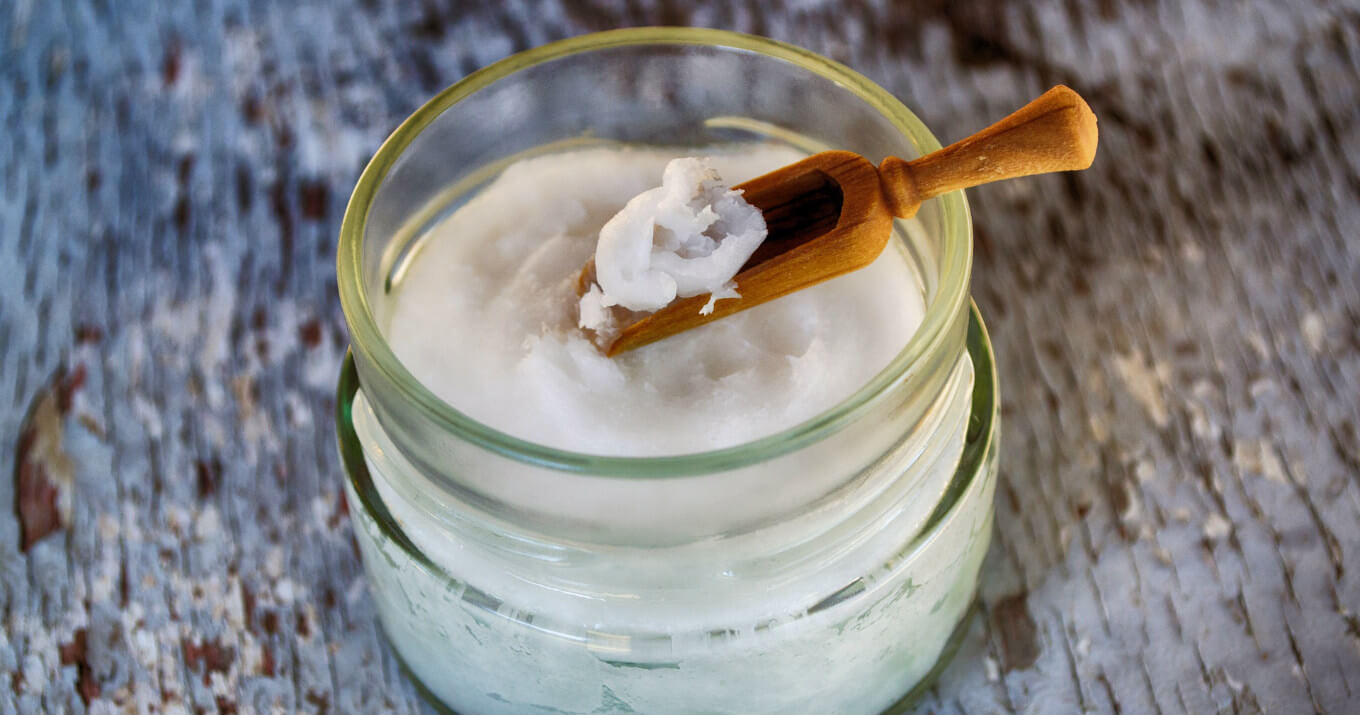
It’s no secret that I am a fan of coconut oil. Not only is it full of the best kinds of saturated fat and metabolism-boosting medium chain triglycerides (MCTs), but it holds up well under the heat of cooking. It’s a versatile, ancient oil that goes well in everything from smoothies to homemade french fries.
But how do you pick the best, most healthy coconut oil? How do you know whether to get a refined or unrefined oil? What do all those labels like “virgin,” “extra-virgin,” and “expeller-pressed” mean? What’s the difference between the cheap coconut oil I see on my grocery store shelf and the high-quality oil I can buy online?
Consider this your definitive guide to how to choose a good coconut oil.
The two most broad categories of coconut oil are refined and unrefined. Once you choose whether or not you want a refined or unrefined coconut oil, you’ll need to choose which method of extraction suits your tastes and purposes.
And finally, always keep in mind the issues in the “things to watch out for” paragraphs below. For example, let’s say you decided you want an expeller-pressed, refined coconut oil. You can find a good quality one that’s been refined using a natural, chemical-free cleaning process and and a relatively low-temperature extraction. Or you can find one that’s been refined from rancid oil byproducts using a chemical cleaning process. Both oils are expeller-pressed and refined, but one is good quality and one is cheap and just plain nasty.
Refined vs. Unrefined
Refined Coconut Oil
A refined coconut oil is usually rather tasteless and odorless. Because it has been refined, it can usually withstand slightly higher cooking temperatures before reaching its smoke point. Refined coconut oils are excellent for cooking foods where you need lots of clean, pure, malleable fat without a dominating coconut flavor. (Think pie crusts or french fries.) Refined coconut oils do not offer the same health benefits of a virgin, completely raw coconut oil, but they are still excellent sources of most of the beneficial fatty acids (like MCTs). As a given, almost all the coconut oils available in your grocery store or vitamin store are refined unless they specifically say otherwise on their label.
Things to watch out for: not all refined coconut oils are alike! Most are refined using a chemical distillation process dependent on lye or other harsh solvents, or they’re made from the rancid oil byproducts leftover from creating dessicated (dry) coconut flakes. Sadly, these are refined, bleached, and deodorized in an effort to create a palatable product that can be sold to consumers. Many coconut oils are even hydrogenated or partially hydrogenated! (Avoid these at all costs as the hydrogenation process creates synthetic trans-fats.) However, there are some quality, non-hydrogenated refined coconut oils available that are refined using a natural, chemical-free cleaning process (usually involving steam and/or diatomaceous earth).
Where to buy a good refined coconut oil: If you think a refined coconut oil is for you, check out these listings for where to buy coconut oil online.
Unrefined Coconut Oil
An unrefined coconut oil is typically labeled “virgin” or “extra-virgin.” To my knowledge, there’s not any consistent difference between virgin and extra-virgin coconut oils across all brands. Each brand tends to have their own definition of these labels. In general, though, virgin and extra-virgin coconut oils are made from the first pressing of fresh, raw coconut without the addition of any chemicals.
Things to watch out for: Depending on how the oil is extracted, the flavor can be very intense or very mild. In general, the more heat the oil was exposed to, the more strong the coconut flavor. (In the past, I’ve bought some extra-virgin, expeller-pressed coconut oil that tasted “toasted” for lack of a better word.) So a truly raw, unrefined, virgin coconut oil will have a very mild coconut flavor and scent.
Where to buy a good, unrefined coconut oil: If you think an unrefined coconut oil is for you, I recommend buying from the folks at Wilderness Family Naturals. Right now, they happen to be giving away 10% off all purchases using the coupon code FOODRENEGADE! Click here to get 10% off unrefined coconut oil.
Methods of Extraction
Once you’ve chosen between wanting a refined or unrefined oil, you will need to decide between extraction methods.
Cold-Pressed, Expeller-Pressed, and Centrifuged
These are methods of extracting the oil from the dry or fresh coconut and can be found in both refined and unrefined varieties. Generally speaking, all methods can create a tasty, good, healthy oil.
Things to watch out for: Expeller-pressed and Cold-pressed don’t necessarily mean “raw.” These oils can be heated to rather high temperatures during the extraction process (even up to 200F) sometimes. The temperatures alone aren’t enough to make the oils go rancid, since coconut oil is such a stable fat and can withstand high heat well. But as I mentioned earlier, the more heat used in extracting the oil, the more coconut-y or “toasted” the flavor will become. A centrifuged oil is less likely to be exposed to much heat in the extraction process, so it will taste more mild and delicate.
Where to buy a good, expeller-pressed or centrifuged coconut oil: If you think expeller-pressed coconut oil is for you, I recommend buying small jar online from a place like Wilderness Family Naturals. Right now, they happen to be giving away 10% off all purchases using the coupon code FOODRENEGADE! Click here to get 10% off your order.
How To Get 10% Off Quality Coconut Oil
In general, the coconut oil available in most stores can get quite pricey. (And, it’s not very likely to be a good product!) So, trying out new brands of coconut oil to see which you enjoy best can be a bit risky.
Thankfully, my friends over at Wilderness Family Naturals are offering every single one of my readers a 10% store wide discount! You only have to use coupon code FOODRENEGADE at checkout.
(Click here to get 10% off a jar of cold-pressed virgin coconut oil.)
Interested in the environmental impact of coconut products?
You may want to read more about coconut sugar production.
 |







I’ve been using the expeller pressed extra virgin coconut oil from Jarrow Formulas. It tastes pretty mild to me, and I’ve been pleased with it. Thanks for the breakdown!
Hey, off topic, but do you know anything @ hen food?
Would you recommend Green pastures?
I bought some Spectrum brand Organic refined expeller pressed 3 weeks ago and it’s already rancid smelling. Am taking it back.
Yup- I’m never buying Spectrum coconut oil again. To me, it has a metallic taste, and I’ve seen a lot of other comments saying the same. On the other hand, I have a friend who insists that her jar of Spectrum doesn’t taste like anything at all.
Hi! I know I’m replying to an old comment… But in case anyone in the future is scrolling through these comments looking for info… I made same mistake at first. I bought Spectrum organic REFINED coconut oil. They make two versions. That’s why yours was awful. My local supermarket and Walmart only carry the refined version. But all of out local health stores carry Spectrum Organic UNREFINED extra virgin coconut oil. Its completely and totally different. I got ok results with it. Sometimes I use that brand and sometimes I use Nutiva…depending on which store/price/sale price when I go to purchase. But those are the ones I find on shelf most commonly.
I just grabbed a spoon and tasted my jar of Spectrum refined CO and I detect no metallic taste or other off flavors – it pretty much tastes like nothing, which is what I want out of a refined oil. I use both refined and unrefined COs depending on what I’m cooking because some things are just not compatible with coconut flavor IMO, and always use unrefined for topical use as I dislike smelling like coconut. I found Nutiva to be rather overpowering in both scent and flavor and gave away the nearly-full jar, but “to each his own”, said the lady as she kissed the cow.
I have been buying Spectrum Organic Virgin Coconut Oil, UNrefined and expeller pressed, also certified NON GMO, at my local grocery store and at Walmart for a few years now.. I have found it to be great. Perhaps your problem lies in purchasing the REfined. typoe.
Spectrum is all I’ve ever bought… it’s all the store had when I first tried it years ago and I’ve always liked it. I did see Dr. Bronner’s had one now on the shelves and wondered about it…but have always been happy with the flavor of spectrum. Not sure what anyone means by metalic?
I’ve bought the Dr. Bronner’s and love it. It is fair trade and organic. It has a very nice mild flavor, no strange metallic taste at all.
When I first started using coconut oil I was buying the Spectrum brand….and it went rancid very fast! I have since switched to the Dr. Bronners and am in love with it! I use it mostly topically though so I cannot attest to the flavor so much.
@Gayle — It’s best to buy soy-free feed. Google it to find online sources. Sometimes the best deals, though, come from local farmers who are able to make their own feed.
@Mil — Sure! They’re listed on my Resources page right now.
@Jan — That’s happened to me before, too. I don’t know whether it’s rancidity or just an “off” flavor because of how it was processed. Because it’s refined and expeller-pressed, it’s usually made from dried coconut that’s sat out and gotten moldy or contaminated with insects. I don’t know that much specifically about Spectrum’s process, just what’s typical for a refined, expeller pressed oil you can find in most stores.
This was fine when I bought it. It’s definitley a racid smell.
I bought a diferent brand at a vitamin store. I am going back to. I was out and bought this cuz I was there.
@Jan — So disappointing! I wonder if that means it sat on the shelf for a LOOOONG time before you got to it? Otherwise, it really shouldn’t have gone bad so fast.
The first jar of coconut oil I ever bought went rancid fast (from a health food store) – always wondered why. I haven’t had a problem since then.
This thread is scaring me! I bought a gallon bucket of coconut oil from a buying club and it’s been sitting in my kitchen for a month because I’ve been unable to remove the lid. I hope it’s fine by the time I manage to open it (after my lid-opening tool comes in the mail).
@Leah — I think that if you bought a high quality virgin coconut oil that is ultra-low temperature processed (instead of refined), you won’t have a problem with it going rancid anytime soon. My coconut oil has lasted me longer than a year, properly stored in a cool, dark, dry place (a kitchen cabinet).
I’ve been buying the coconut oil from Green Pastures for about a year now. Fortunately, a local chef puts together orders and we take advantage of their volume discount pricing!
The best coconut oil we have had is Garden of Life Extra Virgin coconut oil 100% organic. Just ordered another 32 ou. through Amazon (my local food coop has been out of it for months) It’s pure bliss-I eat it with a spoon 🙂
i have used this and it is a good one ..
Thanks for this very informative post! I’ve been buying and using Golden Barrel Coconut Oil because it’s what I can find here. It says on the ingredients label “Coconut Oil. No preservatives added.” The price is a lot cheaper than what I’ve seen from other coconut oils. Here it is, second one down:
http://www.goldenbarrel.com/cooking-oils.php
Should I be buying something else, or is this okay? I have also used Tropical Traditions coconut oil and really like it.
I don’t like the look of the Golden Barrel oil myself. The label doesn’t say anything about it being virgin, unrefined or refined. Also the way they have it pictured in that link it looks like a yellow liquid and it should be white and opaque.
My Tropical Traditions expeller pressed coconut oil is white when solid and a similar light yellow when liquid. I think I remember my Wilderness Family Naturals and my Mountain Rose Herbs virgin being the same.
It is white when solid and sorta yellow when liquid. It doesn’t have a scent at all.
I just did a search wondering about the quality of brand and it brought me to this post.
I think the photo on the site is melted oil. I saw this brand at a local store (which is why I am looking it up) it was solid and white. According to their website, their oil is refined.
http://goldenbarrel.blogspot.com/2012/01/truth-about-coconut-oil.html
I didn’t buy it, but I am still wondering what other think of it.
It is refined and also contains citric acid derived from GMO corn according to their website. This is not listed on the label as an ingredient. Also, it is labeled as a product of the USA, when in fact it is sourced in the Phillipines and processed in the USA. This is according to their website as well. Coconut oil should be clear when in liquid form, not yellow. In my opinion, this company should be avoided as the above seem unethical and misleading.
I have been buying Extra Virgin Coconut Oil from Tropical Traditions…Do you think that they are good to buy it from?
I haven’t tried Tropical Traditions yet but according to their website the “gold label” is not mass produced, but made by hand by coconut farmers cold pressed using no chemicals or heat.
I also didn’t know that Green Pastures sold coconut oil. But there is a huge difference in price!
Tropical Traditions 1 gallon of gold label costs $116.00 whereas Green Pastures 1 gallon costs $49.00. I wonder why they would be so different when both claim to be cold pressed by “traditional methods.”
I realize I am replying to an old post, but I recently bought Tropical Traditions gold for 75$, they have sales, and I find it an excellent oil. Recently checked out price for Wilderness same size, it was 135$. I imagine there is variation in harvests. I am a little surprised Tropical Traditions is not listed in this site’s source list for coconut products. I wonder why? I can get it on amazon too. We use the Gold for food, and often their regular label for body care products such as massage creams. It has a wonderful coconut aroma, is pure, and from small farms in the Philapines
I was wondering why is wasn’t listed either.. The page was possibly written by a adveristing marketer that gets paid from the listed companies when someone clicks on the link and orders the product. Anyway, I thought the information was pretty informative.
I order from tropical traditions also and love the product, i usually order smaller quantities and appreciate them shipping in the glass jars versus plastic.
Thanks..I have only bought green pastures via my co-op and love it.
This cleared up some confusion I had regarding virgin vs. extra virgin, and health benefits still present in good quality refined coconut oils. We buy in bulk, 5 gallons at a time, from a coop, so that is definitely the way to go! If you want to split a large container of oil with another person, I would advise buying in the warmer months so that the oil is liquid and not semi-solid and easier to pour into containers to divide up.
Nickole
How do you know if the coconut oil was hydrogenated? Will it say this on the label?
Good question! I think the label would tell you. Just like all the lard sold at the supermarket says “hydrogenated” right across the front of it. ICK!
Concerning hydrogenation: As far as I am aware from the research I have done, a quick way to tell if it is hydrogenated is to see if there are trans fats. Trans fats come from the hydrogenation process. Which is why I have been using the luana brand from the store. It has no transfats, the same type of sat. fat as virgin or cold pressed. Plus the fact that I wouldn’t be able to afford it.
In reply to a pretty old conversation, as far as I know trans fats only have to be listed on the nutritional info label if they exceed a certain percentage, so a food *can* have hydrogenated fats in them and still not have to list trans fats on the label, so best to read the ingredient list. Hope this helps.
Has anyone used the coconut oil from Pure Indian Foods website? I’ve heard that their pastured ghee is good, but I’m not sure about their coconut oil…
I currently purchase Nutvia from VitaCost. I am considering Tropical Traditions, but they are more $.
I just came from Wilderness Family Naturals and read that MALTODEXTRIN (3%) and SODIUM CASEINATE (2%) is in the coconut milk. Ingredients containing SODIUM CASEINATE is ALWAYS PROCESSED FREE GLUTAMIC ACID and MALTODEXTRIN is OFTEN the same. How can MSG in a product be a GOOD thing?
Reference: Truth in labeling and MSGmyth websites for HIDDEN MSG
Thanks for this tremendous article. I’m sharing it with our local Chicago WAPF chapter via our blog…pointing them to this Food Renegade information-packed site…which I LOVE.
What do you think of Louana coconut oil?
Louana falls into the category of cheap, refined oils. So, it’s still full of good MCTs and other good saturated fats. But, it’s also been refined with a nasty chemical solvent process and is likely made from the already rancid leftovers from the process of making dessicated coconut flakes. So, while the fatty acids themselves might offer some nutrition, Louana is a far cry from the ideal coconut oil you’re probably hoping for.
That’s interesting. I had called their customer service line and was told that some heat was used in the processing, but it was expeller-pressed. But what do customer service reps really know?
Well if they say it’s expeller pressed, it’s expeller pressed. That has nothing to do with the refining process or whether it’s made from rancid coconut byproducts.
Anyone with experience using Tropical Traditions coconut oil? I’m looking into getting the Expeller Pressed and also the Virgin Coconut Oil.
I really like the flavor of the tropical traditions virgin coconut oil. I use a lot of it. I like that brand but I also like the one that is sold at Costco, Carrington Farms – organic, unrefined, cold pressed, extra virgin. Nice flavor. It comes in a fairly large container. 54oz. For around $15. that works out to .27 cents an ounce. Costco’s is really well priced if you can’t afford some of the other brands.
It is not online at Costco. I don’t live in a town with Costco. Any other ideas where to buy. Great price!
Another site stated Costco no longer carried Carrington Farms who has a good quality oil at a reasonable price but now carries their own coconut oil Kirland.
My gallon bucket of gold label oil smelled “off”. I didn’t contact them thinking my nose was the problem as I was pregnant. I’ve since had several friends try it. They all agree it should be tossed. That was a lot of money…
I get my coconut oil from Amazon.com…
http://www.amazon.com/dp/B003QDRJXY
When Amazon has it in stock, I’ve done as well as 108 ounces for $35 shipped ($ 0.32/oz)! The Nutiva is excellent, 100% organic, unrefined, cold-pressed, extra-virgin coconut oil. It has a light, coconut smell and taste. I’ve been using it for the past five years and would recommend it without hesitation. It is also available in smaller quantities…
http://www.amazon.com/dp/B001EO5Q64
Check out the reviews if you don’t believe me!
I checked out the Wilderness site for coconut oil. $38/gallon. I thought that was very reasonable.
isn’t it bad when it’s in a plastic container? glass is better?
Do you have any experience with Nutiva? I was wondering if that was a pretty good one.
It doesn’t appear that the link to coconut products under resources is working today.
I recently purchased 12oz Extra Virgin Coconut Oil made by Spring Valley. The label says “made with organic extra virgin coconut oil”. Has anyone tried this brand? Is it good quality? Thank you.
I just purchased Tropical Traditions coconut oil 2 weeks ago. I have been taking a tablespoon STRAIGHT UP, twice a day, daily with meals. Taking the oil with my meals seems to give me a “full feeling” a lot faster. Nope, this is not some ad talk, it’s for real. Looking at the mirror this morning, I couldn’t help but noticed how soft and silky my skin felt, and I have not used any lotion since I started the oil. Through all the months of reading, understanding and finally deciding to add coconut oil in my diet, I have learn that it is ideal for skin care and I am seeing results here guys. I also started my toy poodle with virgin coconut oil for her allergies.
Ahuh, you might be laughing now, but wait till you hear how dogs (even cats, horses, birds) can benefit from VCO as well. Added to the diet coconut oil can help slim overweight dogs, condition dry shabby-looking coats, offers some relief to painful arthritis or ligament problems, can help balance the thyroid, gives dogs a natural source of energy and helps keep dogs smelling better. It reduces or eliminates bad breath in dogs, so that along with my poodle’s tooth brushing routine before bed, it’ll definitely be a winner. You could try it on hot spots, sore foot pads, minor bites or even to clean ears. Coconut oil will deodorize anything it touches and will make your dog smell better when it’s fed to him/her. Dogs love the taste of coconut and many will lick it off a spoon. When I take my VCO, my fur girl couldn’t even wait her turn, the little monkey. Since she has a sensitive belly, I start very slow, giving her 1/4 teaspoon, twice daily with meals, and will be working up to 1/2 a teaspoon a day, base on her body weight. The oil will help detox the system so it’s important that I go slow and over several weeks work up to the full dosage. I will be switching my dog’s store bought doggy treats to 100% organic coconut chips. We shall see.
At one point we were having to take our lab in at 3 to 4 week intervals to have his anal glands expressed. I had started him on coconut oil for general purposes when I noticed we no longer had him chewing and licking his anus.. If I pause the coconut oil, he starts having issues…restart the coconut oil, goes away. I do not know the science behind it and do not care as he is much happier and so are we!
So interesting reading all of these comments on coconut oil. I have been using Nutiva organic extra virgin for almost a year now. It is the only oil I use besides olive oil. I am interested to know how Nutiva compares to the Wilderness Family coconut oil? I am currently buying 54 oz for around 23.00.
Appreciate all comments, and thank you in advance
I know this is a few months old but I’ve been Googling and trying to find out if the Vitacost brand Extra-Virgin Coconut Oil I bought is hydrogenated or not. Nowhere on the product label or the description on the website does it say one way or another. Is it possible to make the sweeping statement that virgin or extra-virgin coconut oils are not hydrogenated, or is it possible to be both extra-virgin and hydrogenated?
I’ve been using Vitacost coconut oil for years & love it. Organic, extra-virgin, cold-pressed, no heat or chemicals used in the processing (according to the website), & only $20 for 54 oz. Sometimes, they even have 2 for 1 sales, which makes it a real deal. Given that it usually melts around 75 degrees, I’m assuming it’s not hydrogenated. Hydrogenated coconut oil apparently doesn’t melt until 97 degrees.
http://www.goldenbarrel.blogspot.com/
Talks about their refining process.
Trader Joe’s has OV coconut oil for $5.99 for 16oz.
I just bought Spring Valley Extra Virgin Coconut Oil at walmart and was wondering if anyone else has tried this brand and if you think it’s any good?
I wouldn’t trust Walmarts coconut oil .
Walmart got a Very Low rating on there fruits and veggies etc..Dirty
There only out for profit.
I would think its a low grade of coconut..It could be old copra coconut oil.
I just wanted to say that I wasn’t sure if Srping Valley was good or not so I went to our health food store and got Artisana extra virgin and it’s much more silky. It seems to be a better oil. Spring Valley was kind of grainy when it was solid.
I bot 16 oz of Artisana at my local Whole Foods for $14. It’s very good but also very expensive. This is my second oil. The first was LouAnna from Walmart – really bad! I decided to throw it away.
I found this article and comments very helpful. Several years ago I read an article that dismissed the myth that coconut oil was bad for you and I have been using it ever since and have noticed a definite health change. The drawback is that it is expensive but I continued using it anyway. Because it hadn’t caught on until now it was difficult finding good organic coconut oil only coops and the Asian market carried it and only in pint size. Until this last week I found the really low priced 100% “pure” coconut oil labeled for cooking and baking, Louana, in a larger size and in a plastic jar. It did not say anything about organic so I figured, yes, it had chemicals somewhere in the production and now I know I was correct, thanks. The oil is a yellowish color which tells me it is not the same as the organic so one can decide if they want to save money and put up with unknown chemical contamination or not. Our FDA is so in right field we can not rely on them to regulate or notify the public of things we really need to know.
We’ve been buying coconut oil by the gallon and transfer it to smaller containers to use. We find that some dark colored mold-looking bits appear in the oil after a while. We live in Florida so the oil is almost always liquid. Has anyone else had that experience? Is it dangerous? We started buying smaller containers again.
Hey Jody- same thing happened to me! Bought a gallon from Mountain Rose Herbs and transferred it into a smaller jar and notice the same moldy-looking chunks. I think I will store the backup in the fridge and see if that helps. Crazy! Wish someone could explain what it is.
i have seen it in ethnic markets for very little money and wonder if this is a good value. i bought a bottle and it has almost no coconut odor or taste so wonder if it is the kind that has health benefits.
I read that taking a tablespoon of pure coconut oil daily is good for dementia. Anyone experiences?
there is a video from cbn news touting this, but also the following from a skeptic: http://www.skepticnorth.com/2012/02/can-coconut-oil-reverse-alzheimer%E2%80%99s-disease/
Yes, there was a study by Dr. Newport on the reversal of Alzheimer’s and Dementia using coconut oil. There are videos on YouTube with interviews of her.
Hi. Does anyone have any experience with Dr. Bronners – Magic Fresh-Pressed Virgin Coconut Oil Whole Kernel Unrefined? Thank you.
@Kelly, I just bought some of Dr. Bronner’s coconut oil and was wondering if its a good purchase. So same question as you to anyone that knows!
Is it a good option? It says its expeller pressed unrefined whole kernel virgin coconut oil. If its not good I’ll try Nutvia brand next time as my local health food store had that as well.
@Kim – Hi Kim, thanks for your response. I look forward to hearing if you like the Dr. Bronner’s. I haven’t purchased it yet. I was at Vitamine Shoppe and actually purchased a jar of their Organic Extra Virgin Coconut Oil (non GMO)on sale. The label reads that it’s organic, unrefined, cold-pressed extra virgin coconut oil. I have only had a few tablespoons so far. It has a very light coconut taste. I don’t have much experience with other brands, so I don’t know exactly the flavor to look for. I’ve tried some that a friend had and it had a kind of nutty flavor that was good. Vitamin Shoppe also sells the Nutiva. Like you, I might try that in the future.
Please post your opinion of the Dr. Bronner’s once you’ve had a chance. And if anyone else tries it along the way, please let us know.
Yeah Kelly I don’t have much to go on either as this is the first coconut oil I’ve had! I actually don’t like coconuts in general. I don’t like the texture mainly.
When I took the lid off, the coconut smell was strong, but when I tasted it on a spoon I think it was rather mild. It claims on the label to be nuttier tasting because the skin is left on, and I think I can taste the slightly nutty flavor. Overall I liked it. Taste wise it seems like a good option, not sure how it compares health wise to other brands…
I am a faithful user of dr.bronner’s coconut oil. I use the one in the brown jar-organic fresh-pressed virgin, whole kernel unrefined coconut oil. there’s also a white jar, which is white kernel unrefined. i stick with the brown jar religiously though. i’ve found this to be the best and most trusted out of every brand i’ve tried.
The resource links do not work. The links do not have web addresses.
Trader Joes now sell organic virgin coconut oil in a 16oz jar for only $5.99.. seems like a good deal to me!? I’m planning to replace butter with it for baking, sauteeing/frying and even on toast.
Anyone tried Omega Nutrition Organic Coconut Oil? The aroma free one, not the virgin one? I’ve heard it’s refined. Is that bad or harmful to health in any way? Is it better to cook with than extra virgin olive oil?
How do I know if my coconut oil is hydrogenated or partially hydrogenated? The label says 0 trans fat….is that enough?
The process of “hydrogenating” oil creates trans fa, so if there is no trans fat then it is not hydrogenated.
almost… your right that hydrogenating causes trans-fat; some Nutrition Information blocks list 0 Trans Fat, but have hydrogenated oils listed as one (or even several!) ingredient(s)… NOTE: HYDROGENATED OIL *IS* TRANS FAT!
I’m with Lassar, I want to check out your suggestions, but the links are not working. Help?
I’ve answered this a few times higher up in the thread, but for those of you who find the links don’t work:
Do you have an ad blocker enabled or javascript disabled? My Resources page uses ad software to load, so you will need to disable your ad blocker for that one page or enable javascript.
Hope that helps!
we bought artisana raw, is raw important?
Neat! But when I clicked on where to buy bulk or cheaper, it just led me to your list. Where do you buy the best bang for your buck? THanks!
I buy Tropical Traditions Gold Label Virgin Coconut Oil. It is not on the recommended list.
Do you know anything about it?
I’m going to use Garden of Life Extra Virgin coconut oil 100% organic on my hair it is okay or not?
I just bought some Louana Coconut oil. cheap. OPened it to take makeup off and moisturize my lips. NO flavor. Has anyone used this?
I actually just finished a jar of Lou Anna. It is cheap, and if youre not worried about extraction methods then it works fine for cooking.
I personally will be buying unrefined oil next time and not this again.
I’ve used Tropical Traditions in the past, both Gold and Green label, and it’s a very good oil. I actually prefer the taste of the Green, so that’s what I usually go with.
I just noticed good reviews for Garden of Life, so I’m giving that a try next. If it’s as good as the TT I’ll stay with that, b/c the TT is relatively pricey. If cost isn’t a factor for you, though, I’d have no hesitations about recommending Tropical Traditions.
I don’t quite understand some of the comments about coconut oil. How on earth do you manage to buy it by the gallon? Coconut oil is solid at room temperature…well it is in England. Do ‘they’ do something to it in America to keep it in a liquid state. When I want to use the oil to cook it needs to be melted. I use Biona virgin coconut oil and it keeps a very long time. In face I have a jar bought two years ago, and open…past it’s sell by date and it is perfectly fine. It is mild smelling and tasting. It is white and solid!
Hi Debbie,
You can buy it by the gallon here in the U.S. from a number of suppliers. Coconut oil is solid at temperatures under 76F. I live in Texas, so it’s only solid at room temperature during the two or three months of “winter” we get. The rest of the time, the temperature in my home hovers between 77F-82F. When it is solid, we still use it. We just melt it first.
Make sure your oil is Hexane free!!!
Does anyone have any comments on Trader Joes Coconut Oil, Garden of Life or Dr mercola. I seem to rotate between those 3 just wondering if anyone has any inside info on these brands that we should be aware of. I believe all are certified organic, but now after doing research you really never know what you are getting.
I believe when I was chasing down some good co there was a warning to make sure your co was Hexane free. Anyone else know of this?? Nutiva is supposed to be Hexane free. Thanks to all for the great comments.
I have been using nutiva in place of butter/oil in my baking but my hubby thinks it has too strong of a coconut taste. Any recommendations for a healthy but MILD brand?
my familly uses vita cost brand organic virgin coconut oil. the cost is very affordable and it is a good product. it aids in helping my husband keep his blood sugar under control.he also takes his medacation. and my aunt is takeing it for alzheimers.since starting the oil she is no longer repeating herself.some of my family members have commented that she now sounds like her old self. and her doctor told her whatever your doing. keep doing it. i dont agree with some comments that say refined is as good. i have done a lot of research on the internet. i have come to the conclusion that unrefined is the better choice. buy organic virgin coconut oil . the one i buy has a mild flavor and when i cook with it i can not taste the coconut flavor in my food.what i did was i read the reviews of people who used the product that i was interested in.read and keep reading. you will learn more each time.this oil has so much to offer.
I prefer Topical Traditions its a litle pricey but I really think it worth every penny……. my entire family loves the smell and taste de coconut.
Hi. This is my first time commenting, but I have been reading your site for about 2 weeks. Thanks for all the great info! I am trying to figure out the best oil with which to saute vegetables. So, my unrefined virgin coconut oil indicates that it should not be used to cook with above 350 degrees. If cooking on the stovetop, would that be considered medium heat or medium high heat? What about “roasting” veggies? I love to roast butternut squash at in my oven at 400 degrees, but I don’t know which oil is best to use. I’ve been using olive oil, but then I read that I shouldn’t be roasting with olive oil at such a high heat. Additionally, I read that regular olive oil is refined and therefore not healthy. Another reason not to use it for cooking… Any suggestions? Thanks!
Cook with avocado oil. It takes high heat very well.
I was surprised to find that my local Costco in Houston carries coconut oil. Unrefined, 54 oz cold pressed for $15. The brand is Carrington Farms. A truly amazing deal. I can’t tell the difference between it and Nutiva.
I, too, bought this product at Costco but haven’t opened it yet because I can’t seem to confirm if their container is BPA-free and if the product is Hexane-free. It doesn’t say on the label or their website (that I can see). I left a message at their toll-free number a few weeks ago and no reply. I just sent an email through their website so hoping to hear back.
But does it have to say HYDROGENATED on the jar?? Or how do you tell for sure?? What does triple-filtered mean?? If it doesn’t say organic or virgin, or is inexpensive, can you assume it’s bad for you?? Thanks–can’t find answers and I`ve been looking.
I know this post is more food-related rather than for the skin, but you seem to have some great insights on the differences in coconut oils, so I figured I’d ask anyway. I have read several places online that say that refined coconut oil will clog the pores of one’s face (because of the hydrogenated fat?). If the refined coconut oil that I want to use to clear my acne says “no hydrogenated fat” will it still clog my pores? The coconut oil I bought is Spectrum brand, Expeller Pressed, Organic Coconut Oil, Refined, For Medium High Heat. Thanks!
I have read all these commentsbut I still dont know what is the best Extra Virgin coconut oil to use. I want to try ”Garden of Life” Tropical Traditions Nutiva or Vita Cost. Could someone please choose which is the alround Best?
Val,
Maybe you can request those brands to send you a sample or coupons. That would help you decide. You could also make a list of the pros and cons of each one and pick them. Out of the ones you are looking into you maybe would want to calculate the $/oz.
I have been using Merit VCO extra virgin coconut oil extracted from coconut milk
I was curious if anyone knew anything about the brand Nature’s Way. This will be my first purchase of coconut oil and I want to be sure to I’m getting a quality oil. I’m going to pair it with turmaric so I’m pretty excited. THANKS!
Nature’s way is a reputable brand. I have never tried their coconut oil but many other products. I personally would trust that brand.
I remember reading that Mary Enig said that hydrogenating coconut oil does not create trans fatty acids. Trans fats are created by hydrogenating polyunsaturated oils. (Of course, not all trans fats are equal to wit, CLA is a “trans fat”). Isn’t nomenclature quite the tool!
However, hydrogenated coconut oil free of all essential fatty acids (polyunsaturated oils) were the original “saturated fats” that were used in testing (given to rabbits) to thereby tar all “saturated fats” as “bad” in the 70’s. However, rabbits can’t handle saturated fats (they make them not eat them) making the whole study suspect.
Hydrogenated coconut oil is not has problematic as hydrogenated polyunsaturated oils. Even hydrogenated monounsaturated fats like most commercial lard are better bets than most polyunsaturated oils–hydrogenated or not!
“Fractionated” is a synonym for hydrogenated.
Meanwhile, that little error in this article is preventing me from “liking” and “sharing” it. Sorry.
…not as problematic…
We love Green pastures coconut ghee! 🙂
Help!!!!!!
I just bought La Tourangelle Organic coconut oil expeller-pressed and refined. Have not opened it yet but want to use on my hair, skin, consume and cook with it. Is this okay????? Does anyone have any experience with this brand??? I have read all the reponses and am still CONFUSED!!!!!!!
Vegetarian Times just released their list of Foodie Award nominees for 2013 and Coconut Oil is on the list under Superfoodies. If you want to check it out and/or vote just search the contest.
I am a huge fan of Ojio for both the awesome quality and reasonable price but am a tad biased because I work for the company that sources it, so please check on it yourself. When was the last time you heard a related employee personally ENJOY what they help with though?? Either way I am glad coconuts are finally getting some attention! (besides singing about putting limes in them)
Food Renegade, can you advise on what is the best type of coconut oil to use when sauteing (usually veggies) on medium heat?
I am a mom of a two year old and an 8 month old. I am also a WAP newbie. I have rid my house of all unhealthy oils and have replaced with lard, butter and coconut oil. I made some cornbread last week (a family favorite) using Nutiva coconut oil. We couldn’t eat it. The coconut flavor was overwhelming.
Can someone recommend a brand/ type that would be more mild? I DO NOT want to go back to veg oil for baking and sautéing but everything tasting like coconut isn’t going to work either…
Refined is neutral taste for cooking for people who don’t like the taste. Expeller pressed will have a strong taste. Dr Bronner’s has two expeller pressed virgin organic. One is just pressed and has a strong taste. The the other has the brown skin removed before it pressed. It is heavenly! very mild. Each brand has a different taste. Ah Shay from Figi is excellent. If you don’t like the smell of coconut oil there is no need to put it on your skin, use baobab or jojoba, both are wild crafted. Cook with ghee which is pure butter fat, no milk solids involved. Cornbread (do not put any wheat in it) should have real butter for the fat or refined coconut if no taste is wanted. Do not buy any coconut oil in plastic as the oil leaches toxins from the plastic.
I use Dr. Bronners and I love their products! I eat the unrefined, organic oil straight from the jar. It has a fresh, mild coconut flavor, which I love!
Is it the skin on or skin removed pressing?
Try Tropical Traditions Organic Expeller-Pressed Coconut Oil. It is very bland in flavor!
Which coconut oil do you buy in bulk? I used to be able to find coconut oil at my local grocery, but they don’t seem to carry it anymore. And how do you find out if an oil has been made of processed rancid oil by-products.
I was wondering about Costco (Carrington Farms) coconut oil and found this article. Looks like this lady talked to the VP at Carrington Farms and this is what they said:
1. Carrington Farms coconut oil is unrefined and no chemicals are used in the processing of the oil.
2. The coconuts are grown on certified organic farms in the Philippines.
3. Representatives from Carrington have visited the farms to ensure quality of the growing process and a partner in the company visits to ensure that their representatives are doing everything they can to guarantee that everything is as they say it is.
4. The coconuts are grown on several farms to avoid problems of “single site sourcing”–should there be a natural disaster in one farm, they can still get coconuts.
5. The coconuts are processed within 4 days of being picked.
6. The coconut oil is filtered twice before being moved to a bottling facility, and then it is filtered again.
7. Carrington Farms does third party GC/MS testing on each lot of their oil. If any other vegetable oil was cut into the coconut oil, it would show up on these tests.
8. The oil is tested for microbes, e-coli, salmonella and more.
9. Their containers are BPA-free.
10. Their coconut oil is unrefined, unbleached, and is not deodorized, and their processing is hexane and heat free.
http://wholenewmom.com/reaching-out/is-costcos-coconut-oil-junk-or-the-real-deal/
could you overdoes on coconut oil? how much a day is appropriate for adult and child?
Has anyone purchased coconut oil in a can?? A friend mentioned she gets her oil in a can from Pure Indian Foods and later I got to thinking abt BPAs.
Long used Nutiva with good results
I am looking to make latkes for Hanukkah and wondering
if the organic, extra virgin, cold pressed, and
Unrefined tub of Coconut Oil I just bought will do the trick?
Will it fry well? Will the taste of Coconut overwhelm
The latkes?
Thx for the advice….
Regarding previous posts re: Dr. Bronner’s Coconut Oil….
I’ve found this brand to be the hands down best tasting coconut oil of all. I use the whole kernel in the brown label. So if the taste of your coco oil is important to you, then I suggest this brand. It’s also organic & fair trade and I trust the Dr. Bronner’s name to only source the highest quality products. Try it out!
I use the Spectrum USDA organic, refined, expeller pressed kind in the glass 16oz jar and LOVE it. No taste whatsoever to it and not really even a smell. Keeps very well too and lasts a good long while. May not be the absolute best but due to cost, flavor and availability of others, this has been the best for me:)
I have read all of the comments and didn’t see anyone mention Barlean’s brand. Have any of you tried Barlean’s Extra Virgin Coconut Oil? Just wondering if it’s is a good one to use (I like it). I currently use Barlean’s EVCO (purchase from organic foods section at Coborn’s) but I’m wondering if there is a better one I could be using. I often put coconut oil on my skin; I find that Barlean’s tends to dry out my skin while LouAna does not. Does anyone know why this would be? Thanks in advance! 🙂
I have used Barleans Extra Virgin Coconut Oil & it’s a very high quality oil!!! Smooth & silky right iut of the jar, has a very mild coconutty aroma & is as clear as water when melted. Hope this helps. I take it internally as well as topically. I have also used Dr. Bronner’s Whole Kernel Coconut Oil & personally like Barleans better as it’s silky smooth, not gritty like the Dr. Bronner’s coconut oil.
Hello I just purchased my first jar of co. It is LA TOURANGELLE organic expeller-pressed & refined coconut oil. I would like to know if this is a good brand product? I have scrolled thru and read all comments and someone else asked as well but there has not been a reply.. if anyone has any knowledge of this product the information would be greatly appreciated!! THANK YOU so much!
Hi, I’m still trying to determine which coconut oil to go with . . . there’s a pretty big price difference between refined (expeller pressed) and virgin. You indicated “Refined coconut oils do not offer the same health benefits of a virgin, completely raw coconut oil . . . ” Can you expand on that? What specific health benefits are missing? Thanks!
Just a little tip for your money making efforts, if you want to have better conversions through your vitacost affiliate link your better off linking to relevant links, particularly concerning your refined coconut oil link.
I have bourght a jar of optima raw virgin- cold pressed coconut oil and it tastes of nothing, (disgusting, actually?) Could I be buying an inferior product?
There is no bpa in a glass jar. Substitutes for bpa can be worse and be leached from the plastic by the oil.
We use it for cooking, oil pulling, it replaced lotion and Chapstick for us too.
What about when you buy coconut oil and it has a yellowish cast to it and a slightly sour smell to it? Company I bought it from claims to be a naturally fermented process and an extra virgin coconut. The brand my friend and I are used to buying is whiter and looks more like cooconut meat, and has more of the fresher coconut smell (though I wouldn’t describe it as a toasted smell.).
I just bought Spectrum organic coconut oil (refined) and expeller pressed. The ingredients listed are: organic coconut oil, may contain peanut oil, tree nuts, sesame seeds, milk, soy, or wheat. It doesn’t say anything about hydrogenation but it has 0 trans fat. Is this a good coconut oil to help with weight loss? Why would there be peanut oil?
They use the same equipment to make many products so if they are not cleaned properly and you are deathly allergic to peanut oil it could be a problem. It is a warning required to be put on a label, most likely by the company lawyer. For the reason peanut allergy is such a problem see thedoctorwithin.com, Chapters, Vaccines and the Peanut Allergy Epidemic.
Hi I’m curious to what “triple filtered ” means??????????
I read the ingredients and it just says “100% coconut oil”
I was curious about the Spectrum brand is how I ended up here. I always buy my coconut oil online. The first place I tried was Tropical Traditions. Price got to high so I searched for something more economical. Mountain Rose Herbs was very good for the price but even they increased $. Now buying from Wilderness Family Naturals. When I run out I sometimes will buy from the local store to hold me over.
LouAna had this plastic smell just like what it was being stored in. The Spectrum had me worried because when it melted it stayed white looking. NO smell or taste. I buy virgin for eating with oatmeal and eating by the spoonful. The expeller for baking and stir frys. The expeller from Tropical Traditions seemed dirty to me, when melted it had a grey tinge to it and some sediment in the bottom of the jar. I have bought both virgin and expeller from Wilderness Family and their virgin is comparable to Tropic Traditions. Wilderness Family’s Expeller is very clean. It’s white as a solid and almost clear when melted.
I won’t be buying from the local store, just to be disappointed.
down here in Nigeria, I prepare my own coconut oil. I boil down the cold milk extracted from the fresh coconut. The best way to get your co. sometimes, i use the extracted milk to cook what we call coconut rice.Very tasty.
I need to know if “unrefined” is the same as or equal to “non-hydrogenated” coconut oil.
I need to know if “unrefined” is the same as or equal to “non-hydrogenated” coconut oil, please.
Thank you!
I was looking for a natural and inexpensive product. After many research and reading reviews, I chose the Viva Labs Coconut Oil. You can find my personal review of this excellent product here:
http://goo.gl/IlWhGq
Cheers,
Frank
Great article! Thank you for writing it!
Hurrah! At last I got a web site from where I can truly obtain valuable information concerning my study and knowledge.
I live in Porto Rico and I have twenty seven coconut palm trees, we grind and squeeze the milk out of the coconut, then we refrigerate it to separate the oil,is it OK to use the resulting oil as is ?
That my friend is the true coconut oil, sometimes we need to stop asking permission from others, dont want to be mean…. just u know u have the real thing made from u and u are asking if it’s ok? Send it to me ill use it!
Love this!
Sonoma Harvest Organics – Does anyone know if this is a good brand? Just bought the refined (expeller pressed) organic coconut oil. It has very slight coconut smell and is white (not yellow) Appears to be good ….
Love my coconut oil. Thanks for this article and the leads on good oil for better prices. Just an aside, the only time I had a bad experience was when I bought the Tropical Traditions oil and it smelled and tasted rancid from the beginning.
Have u ever tried radient life? Its extra virgin expeller cold presses organic. The problem is its 30.00 per 30 oz glass jar. Thing is i absolutely Love It!
I get ill when I use coconut oil, so I stick with coconut butter and honey and bananas, they work well all together.
Really informative article on Coconut Oil! You’ve covered everything!
Personally I find when it comes to Coconut Oil you should always buy it as high quality as possible! I always choose cold pressed unrefined Coconut Oil :).
I have been using Nutiva extra virgin cold pressed coconut oil for about 6 years. I loved the coconut flavor (I ate a tablespoon of it for breakfast and supper everyday). However, the last time I bought it, the container said virgin. I contacted the company and was told it was the same product, so I tried it. I HATED IT!! It has NO coconut flavor at all. I contacted Nutiva again and was told that sometimes different batches can have some difference in taste. They had me send the produced on date and sent me a jar with a different production date. IT STILL SUCKED!! In all the years I have purchased Nutiva I never saw a change in that great coconut flavor. Since they said the process has not changed, I can only assume they are using a different kind of coconut. As with other kinds of produce you buy in stores (vine ripened fruit versus fruit picked too early to make it shipper safe), I feel they have changed plantations or the variety of coconuts they use. So sad, I loved their product. Now I am trying to find another unrefined, virgin, cold pressed oil with a strong coconut flavor. I am considering Wilderness Family Naturals. If you have tried theirs and it has a strong coconut flavor, could you let me know? I appreciate any help I can get.
… Tropical Traditions and Green Pastures …
Wilderness Family Naturals have wonderful raw, virgin, organic coconut oil. http://www.wildernessfamilynaturals.com
I’ve been using Family Wilderness. I used Nutiva in the past and I love Family Wilderness. Their centrifuge is awesome, and they are very reasonable in prices.
Garden of Life, tastes like coconut.
I’m new to the site and was going over the shopping list. I use avocado oil for cooking, and was interested to know your thoughts on it.
Hi Kirsten,
I have only just come across your post on coconut oil, which I found very interesting!, as I am learning more about coconut oil and fat to use in cooking and backing. Specifically, I was researching Copha and Palmin, which is a form of hydrogenated saturated coconut fat (this is the search term that got me to your blog post).
Since I do not live in Oz (it appears that Copha exists in Australia only?), I am completely unfamiliar with this product, would you be able to shed some light? Isn’t hydrogenated saturated fat supposed to to be very bad?
Thanks for the insight!
I’ve used many brands, nothing compares to Tropical Traditions! I use Gold Label organic & organic expeller pressed. I buy it by gallon buckets. They have terrific sales! Traditionally made in the Philippines, it has resurrected the centuries old family coconut farms & provided employment for many. Check out their website for recipes, uses & great info!
I bought Nutiva Refined Coconut Oil but i don’t think i can use it for my hair. I’m not sure i have been going through many websites. May someone tell me which coconut oil,refined or unrefined, is best for hair and skin? Please and thank you (:
i really wanted to find out about the best coconut oils and the differences between them and which ones are processed with the good ingredients. but unfortunately what this seems to be is some advertorial links to a website to buy coconut oil, and not a lot of info on which ones are the good ones.
I just bought coconut oil from Sam’s Club and I’ve been wondering is it gonna go bad after a month or so? It’s Organic and Refined, I’m mainly using it my hair and skin.
I have bought Dr. Mercola’s coconut oil and Tropical Traditions Gold Label. I wonder if anyone has tried Mercola brand?
They are different in two ways:
Tropical Traditions: Softer when solid, tastes and feels like lard (I’m fine with that)
Mercola: Harder when solid, does not taste or feel like lard at all. Since it’s harder in the solid state, is this the better one?
I was wondering about the difference between Mercola and Tropical Traditions —
Mercola’s is harder at room temperature and is hard to melt. Has a more coconut flavor to it
Tropical Traditions is noticeably softer, and easy to melt…also tastes and feels like Crisco (which I kinda of like)
Would the harder coconut oil (Mercola) be a less processed oil?
Hi I got this cocnut oil by LA Tourangelle. Expeller pressed and refined. It stinks like soap when I bake or cook with it. I got it at Marshalls. Usually i buy Spectrum Naturals and virgin coconut oil. It has no odor.
Truely it smells like soap. I just baked a Paleo Ginget Carrot loaf. Hate to throw it our. Any ideas.
thanks. Carolyn
I’m not a good expert here so I don’t have the brains to help you flavor it. i don’t think there is anything you can do but power through the taste (so you won’t waste it). The only new information I can give you is a warning not to use the Better Body Foods brand some people say it worked for them but when I use it (in my baked potatoes) it tastes horrible, like metal, blood, and mercury. This is both when I use it plain (obviously I always out salt in my baked potao as if i would with regular butter so the flavor should have been balanced but it wasn’t) and when I mix it with the ingredients from ForksandBeans.com recipe of Vegan Butter Subsitute. Also when you use it as a moisturizer it’s all grainy and has to dissolve.
I am just curious. I have recently seen a nurse practitioner and she said coconut oil is so bad. She said it’s just a fade and will cause me to have high cholesterol . I was extremely frustrated as I have been on the whole food bandwagon for several years and have been using coconut oil. I would appreciate if you could shed some light on this subject. I have read your previous article but just wanted your thoughts.
Thanks so much
Nancy
is 100% organic, extra virgin, cold pressed unrefined and non hydrogenated coconut oil a good one to use for weight loss?
If not which one do you suggest to use?
Please reply
Cheryl
I need a flavorless coconut oil or anything that doesn’t come from an animal’s body and that is animal cruelty free as a butter replacement.
And not for baking or as a bread spread but for everyday everyday things like potatoes and rice (in my case Zatarain’s Brand New Orleans style Spanish rice).
I’ve tried the Better Body Foods brand Organic Coconut Oil Naturally Refined (which says on the jar “Mechanically Pressed No Use Of Chemicals”, “Neutral Flavor & Aroma”, it’s also “liquid above 76°F solid below”, and “For Medium to High Heat 425°F”) on my baked potato which I cooked in the microwave( I don’t think the microwave affects the taste of the potato, it probably affects the coconut oil except obviously like I would with butter I added the coconut oil after the potato was cooked so it shouldn’t matter, and when I microwave cook my potato then put butter on it it tastes good) after using the oil instead of butter my potato tasted like I think mercury, metal, and Blood would.
One person has recommend that I add salt to my coconut oil but I add salt to my potato so it should have mixed together and tasted good. Another person recommended to use olive oil and I think that would work on my baked potato since I’ve heard that people out olive oil on the skins of potatoes. But I don’t think olive oil would work on the rice I’m using or any rice in general.
Is the taste affected by how the oil is refined? Do you think coconut oil has no taste when it is chemically refined or naturally refined? Do you recommend any brand’s?(I’m going to try Nutiva Refined next)
Also is refined coconut oil (the one i have says it’s “USDA ORGANIC”) safe and beneficial for natural hair (black people’s) because this jar is huge and I don’t want to waste it.
Thanks Kristen…but how can I get my hands on this stuff in Australia…so few tell you on their packaging about their refining processes or about being unrefined or raw. I want maximum nutritional benefit so want my oil as natural and untouched/unprocessed as possible but it’s very hard to tell…let alone know whose packaging is genuine especially given so much is sourced from third world countries where traceability is almost impossible.
This is the best and informative site I have read on the natural way of of foods that I remember a a child. So thankful I’ve found this site today and will definitely be referring back to it often. Thank you so much for sharing !
I love your article, but I’m not sure which coconut oil to get…I’m looking for the healthiest one wirh no harmful chemicals used in the extraction process. Can you please advise on which one would be good to start with? I would appreciate any help you can give me.
Hi,
What’s the most mild tasting virgin/raw CO you recommend, please? I want to cook with it but don’t want to taste the coconut?
This is by far, the most helpful article on the coconut oil differences that I have read. Thank you, thank you for helping me to understand and able to make correct choices. Blessings Be to you !!!
I don’t like the taste of coconut but wanted to try because of the benefits. I got a small jar of Lou Anna brand 100% pure, nonhydrogenated and liked it, very mild taste. I bought other health items from Thrive Market and got a free jar of coconut oil and it tastes strong of coconut even though it says organic, nonhydrogenated, cold pressed, unrefined. So it seems the one I got at Walmart is better than the one from Thrive Market? I’m trying to learn all these healthy terms and the more I learn the more confused I get! I’m also lost when it comes to choosing olive oil!! Thank you
Thanks for your article…I found it helpful! I just downed my 1st tablespoon of Coconut Oil. Need to add it to smoothie or something else…was hard to get it down straight from the spoon! Any recommendations?
P.S. Thrive requires you to spend $50 to get the free jar of coconut oil.
I have a question, what do you think of NutivA putting out a Coconut oil with a Buttery flavor? It turned me off when I saw the jar but I didn’t have time to read the label.
Great article on coconut oil! There are great benefits to incorporating coconut oil into your diet but it should always be high quality coconut oil, preferably extra virgin and organic. And its not just good to add to your diet, you can use it as part of a beauty regime.
Good article! Enjoyed reading it, I love organic coconut oil and I am very careful about which brands I buy and where it is sourced from. I like buying free trade products if possible.
I bought a jar of Spectrum coconut oil a while back, and when I took it out of the cupboard, it was yellow. Is that bad? I didn’t smell any off odor. Also, for cooking, I use avocado oil as it can take very high heat with no problems and appears to be very healthy. They have organic ones at Costco.
Very Interesting, I used Coconut Oils Toothpaste, Unlike ordinary toothpaste that may be filled with toxic ingredients. Some conventional toothpaste is found to have an antibacterial chemical called triclosan.
Ok. That was purposely misleading
Clikbait?
Everybody already knows what ‘type’ of coconut oil is good.
I was , and others im sure are looking for the best
BRAND.
And lo and behold you are advertising one only
(I guess you cant do a post on which brand tastes best)
Ojio has a weird smell and taste.
Coconut secret is good
Very nice tips!
This is such a helpful article when choosing coconut oil! In regards to the virgin and extra-virgin oil, most brands are now dropping the “extra-virgin” label as there isn’t really a difference. It’s more or less a marketing gimmick.
Great article, it’s very applicable to choosing coconut oils for other uses as well. But how come you are only recommending one brand?
Super helpful! I love centrifuge extracted coconut oil and the BEST I’ve found is Dignity Coconuts raw coconut oil because it’s packaged in glass, USDA Organic, has a sustainable process, and is focused on community transformation in the Philippines to end trafficking.